
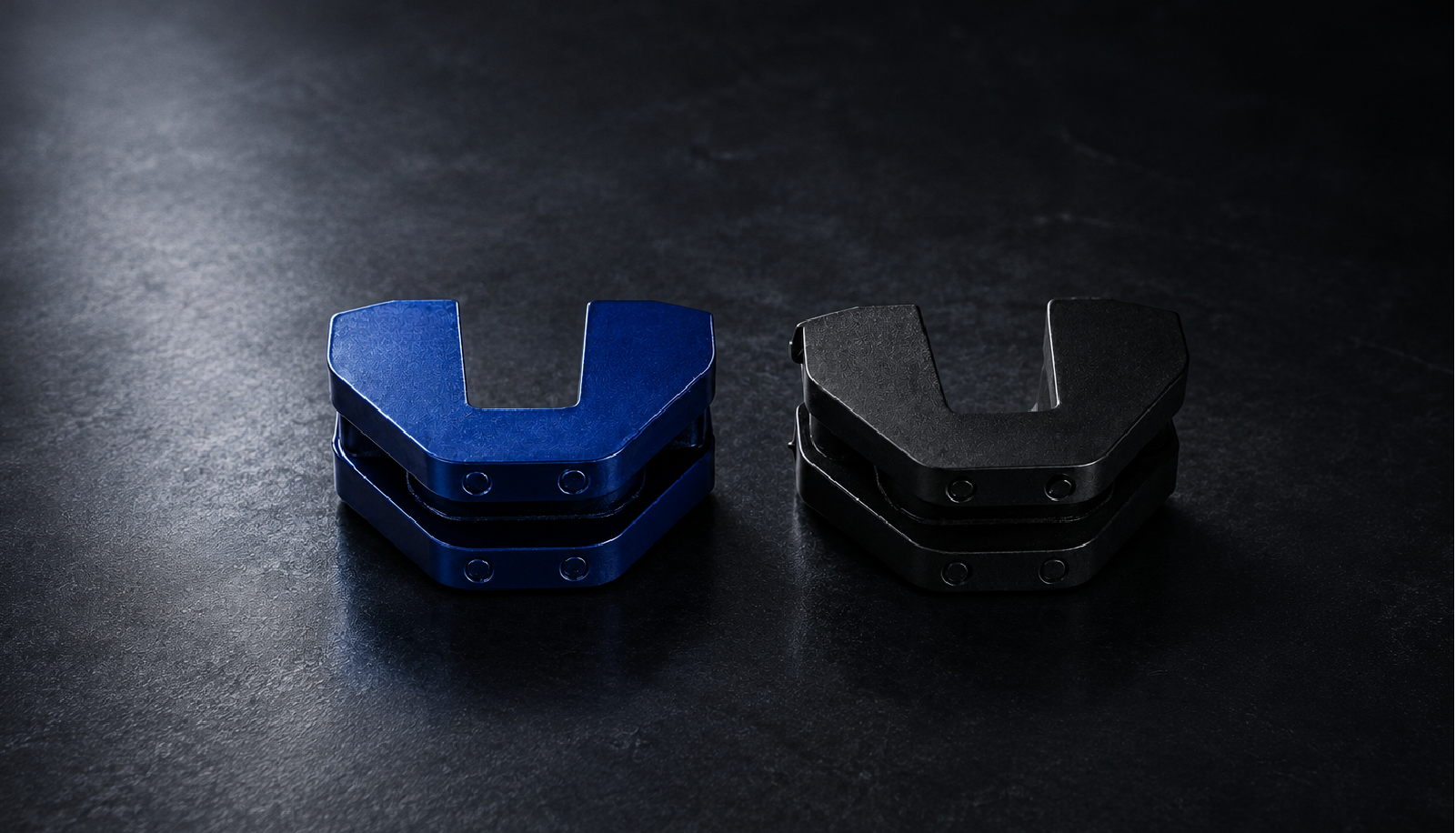
Understanding the Function of a Piece Slider
The piece slider is relatively small in size, but it plays an important role in the CVT mechanism. This component is located in the primary pulley assembly and works together with other components to support the movement of the CVT system.
For automatic motorcycle owners, the term piece slider may only become familiar when having the CVT system serviced. So, what is the function of a piece slider in an automatic motorcycle CVT, and why should its condition be monitored? Understanding its role can help vehicle owners become more familiar with the condition of their CVT system.
What Is a Piece Slider in a Motorcycle CVT?
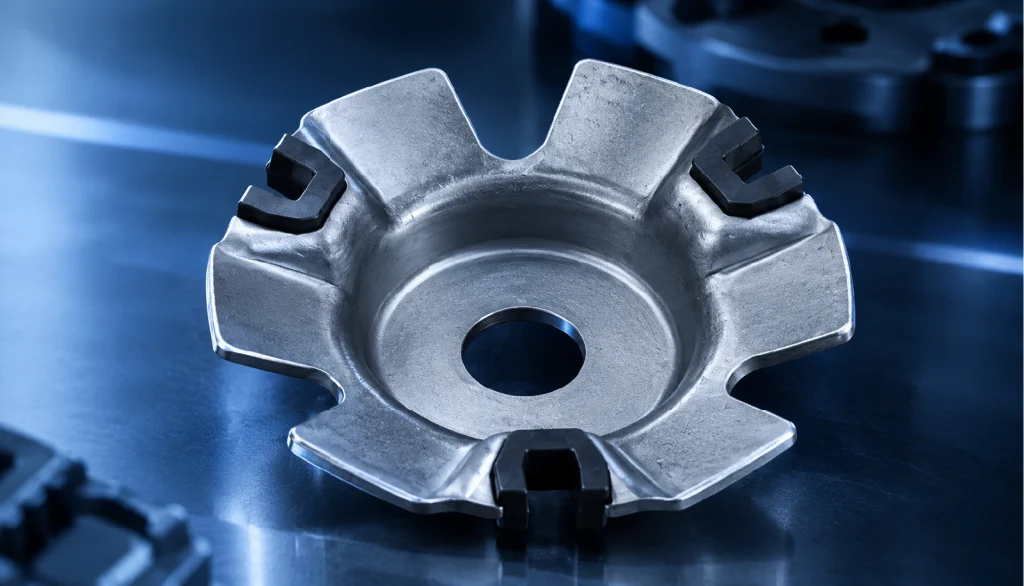
A piece slider, also commonly referred to as a slide piece, is a component located in the primary pulley mechanism, around the roller housing area. It helps guide the movement of components associated with the roller housing and pulley while the CVT system is operating.
Simply put, the piece slider helps keep the movement of these components properly guided along their intended path. It works together with the roller housing, CVT rollers, variator, and primary pulley as part of the movement involved in the automatic transmission system.
Because it is located inside the CVT area, the piece slider is not visible during everyday motorcycle use. Its condition can generally be inspected when the CVT assembly is opened during servicing.
Understanding the Function of a Piece Slider in a CVT System
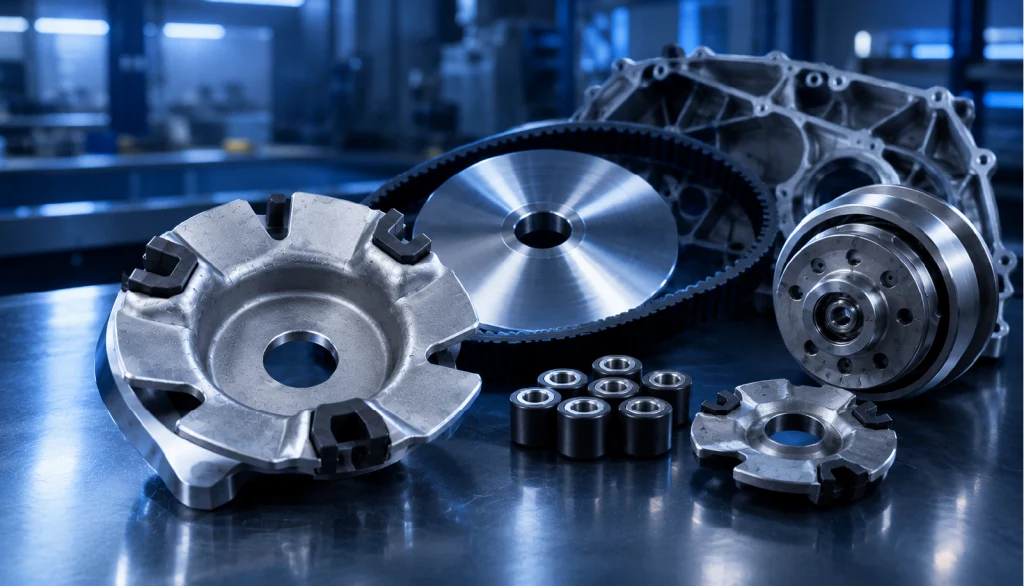
So, what exactly does a piece slider do in an automatic motorcycle CVT?
Although relatively small, this component has several roles in supporting the operation of the primary pulley mechanism. The piece slider works together with other components to help maintain controlled movement within the CVT assembly.
Here are some of its key functions:
1. Helps Guide the Movement of the Mechanism
The piece slider helps guide the movement of components associated with the roller housing, allowing the mechanism to move along its intended path while the CVT is operating.
2. Helps Reduce Direct Contact and Friction
The component forms part of the mechanism that helps minimize direct contact between certain components within the primary pulley assembly as they move.
3. Supports Pulley Movement
As the positions of CVT components change in response to engine speed, the piece slider helps keep the movement of the pulley mechanism properly guided.
Therefore, the piece slider does not operate independently. Its role is closely connected to several other components within the CVT system.
How Does a Piece Slider Work?
Its operation can be understood through the following simple sequence:
- The engine generates rotational power, which is transferred to the CVT system.
- The rollers move due to centrifugal force as engine speed increases.
- The movement of the rollers affects the roller housing and pulley mechanism.
- The piece slider helps keep this mechanism’s movement properly guided.
- The pulley then adjusts its position according to the operating conditions of the CVT system.
This process occurs mechanically and repeatedly while the motorcycle is in operation.
Why Should the Condition of the Piece Slider Be Monitored?
Like other CVT components, the piece slider moves while the system is operating. Continuous use can cause changes to its physical condition over time, making inspection an important part of CVT servicing.
Some conditions that may warrant inspection include:
- The surface shows signs of wear.
- The shape of the component has changed.
- The movement of the mechanism feels less smooth.
- Unusual sounds or vibrations come from the CVT area.
However, these symptoms do not automatically indicate a problem with the piece slider. Other CVT components, such as the roller, pulley, V-belt, roller housing, and other related parts, can also affect the overall condition of the system.
When Should a Piece Slider Be Inspected?
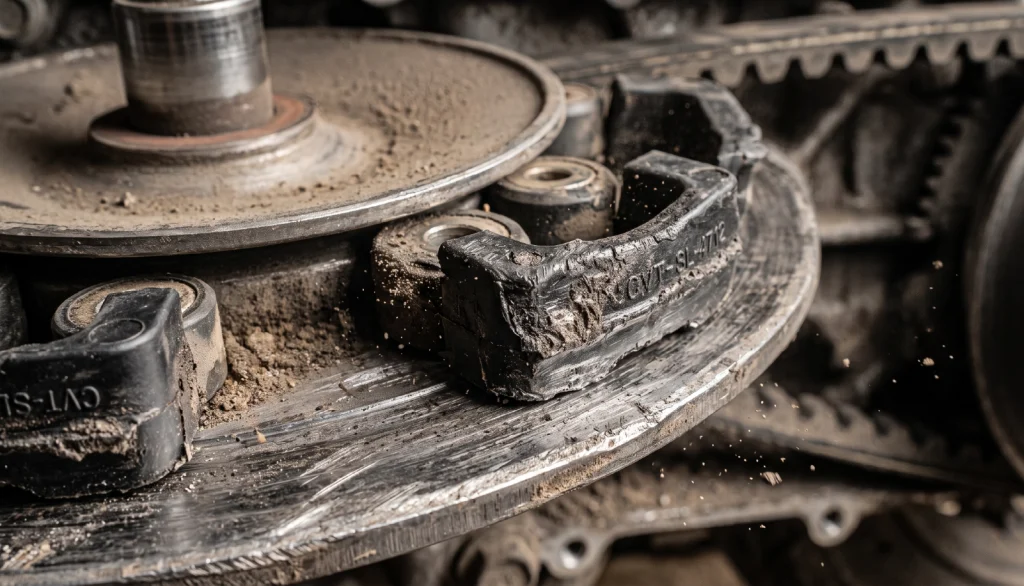
The piece slider can be inspected during regular CVT servicing, particularly when the roller housing area is disassembled. An inspection may also be appropriate when unusual changes in responsiveness, sounds, or vibrations are noticed.
At the same time, a technician can inspect other CVT components to assess the condition of the system more comprehensively. Replacement should be based on the condition of the component and its compatibility with the vehicle’s specifications.
Small components still deserve attention because smooth CVT operation also depends on details that are often overlooked. Get to know your CVT component needs and find suitable spare parts with PT. Sejati Jaya Tangerang.