
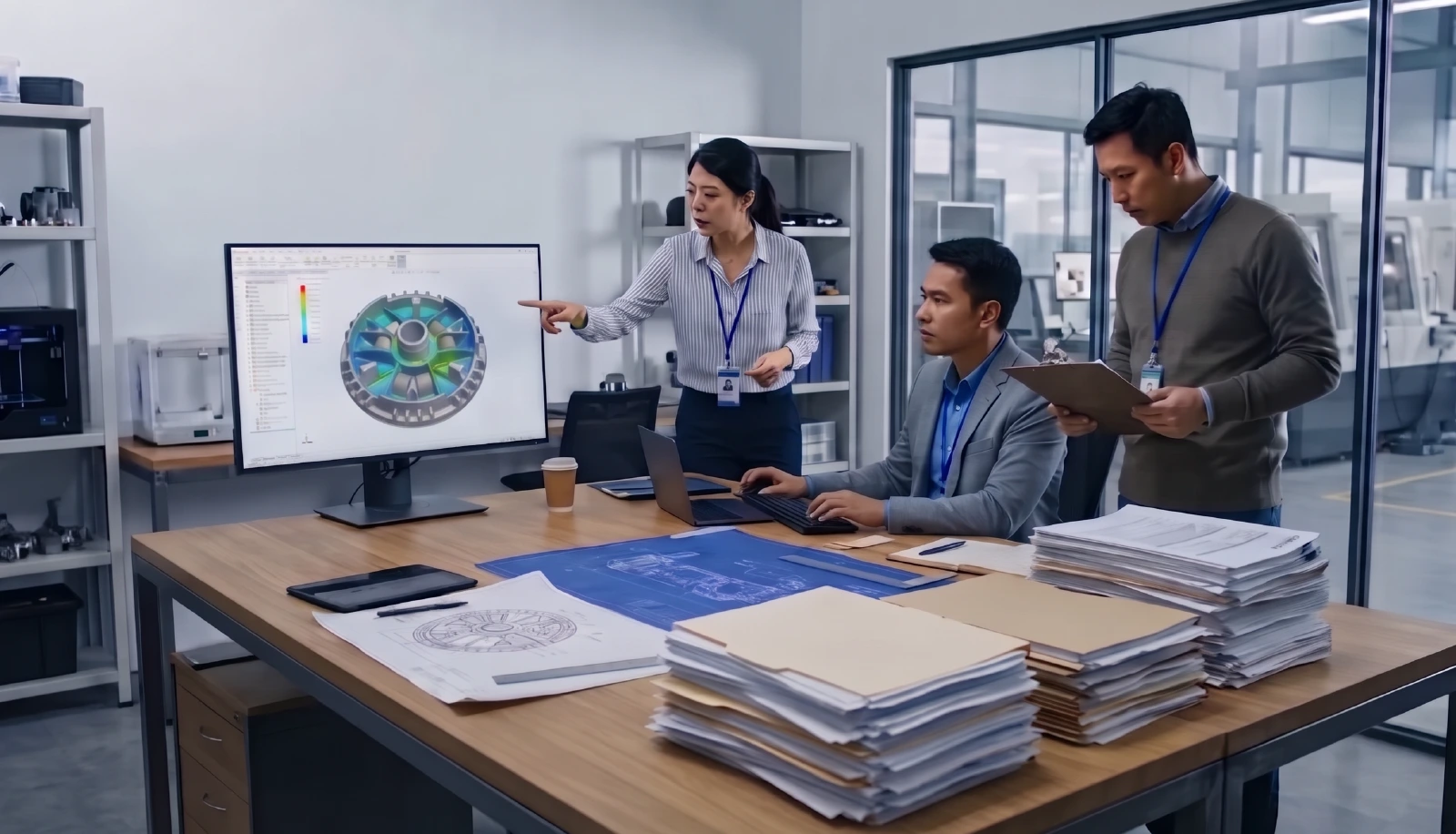
Have a New Component Idea? Consider Before Developing
Ideas for new automotive components can emerge from market needs, evaluations of existing products, or the desire to offer alternative options for users. However, before an idea moves into production, several aspects need to be considered to ensure that the development process has a clear direction.
Developing a new component requires more than just an appealing concept. Brand owners, R&D teams, and product developers need to assess user needs, desired specifications, and the feasibility of suitable manufacturing processes.
5 Things to Consider Before Developing a New Component
1. Make Sure There Is a Clear Market Need
The first step is to understand why a new component needs to be developed. Is there an unmet user need, demand from a specific market segment, or an opportunity to introduce a product with different characteristics?
Market research can help identify these needs. Information from potential users, distributors, repair shops, and evaluations of similar products can serve as valuable input before determining the development concept.
2. Define the Product’s Function and Specifications
Once market needs are understood, determine the development objectives and the component characteristics to be achieved. Specifications may include dimensions, shape, material, function, and usage requirements based on the component type.
Clear specifications help relevant teams understand product requirements from the beginning. In addition, specification documents can serve as references during the evaluation and inspection of development results.
3. Consider Materials and Manufacturing Processes
Material selection needs to be aligned with the component’s function, operating conditions, and characteristics. The selected material is also related to the manufacturing methods that can be used.
Therefore, the development team needs to consider whether the product concept can be processed using available manufacturing technologies or requires further evaluation. Discussing these aspects early can help identify technical challenges before moving on to the next stages.
4. Evaluate Costs and Production Feasibility
A component with an appealing concept is not necessarily feasible for commercial-scale production. Cost calculations need to consider material requirements, processing methods, the use of molds or equipment if necessary, and estimated production volume.
Cost evaluation helps companies determine whether the development aligns with their target market and business plans. With careful consideration, decisions can be made based on both technical requirements and commercial factors.
5. Plan Testing and Evaluation
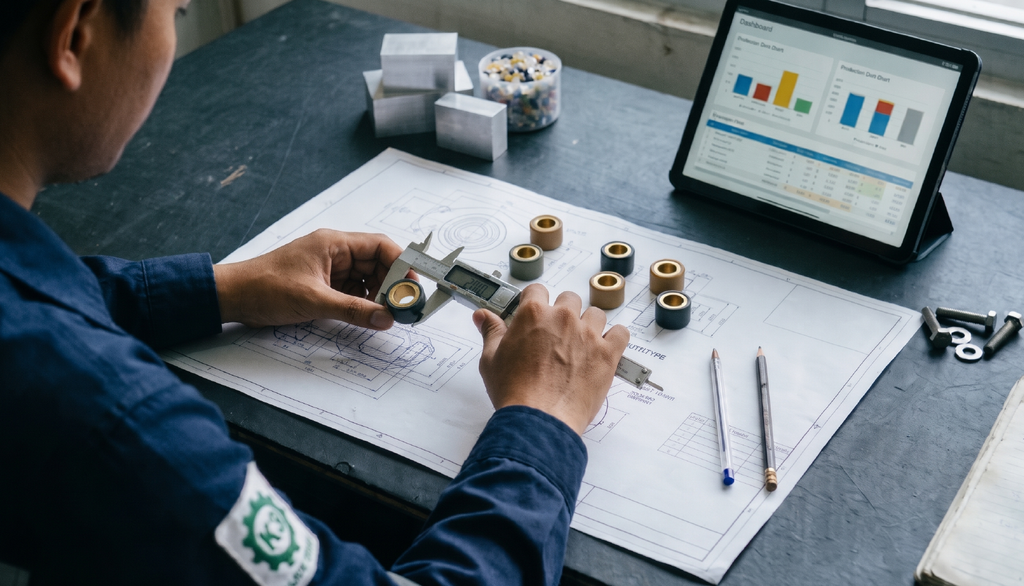
Before proceeding with further production, plan how the development results will be evaluated. Inspections can be tailored to the product’s specifications and characteristics, including dimensions, physical condition, and relevant functional requirements.
The evaluation results provide a basis for determining whether the concept needs further refinement or can proceed to the next stage. This ensures that development decisions are based not only on assumptions but also on relevant inspection results.
Why Should You Consider Choosing a Manufacturing Partner?
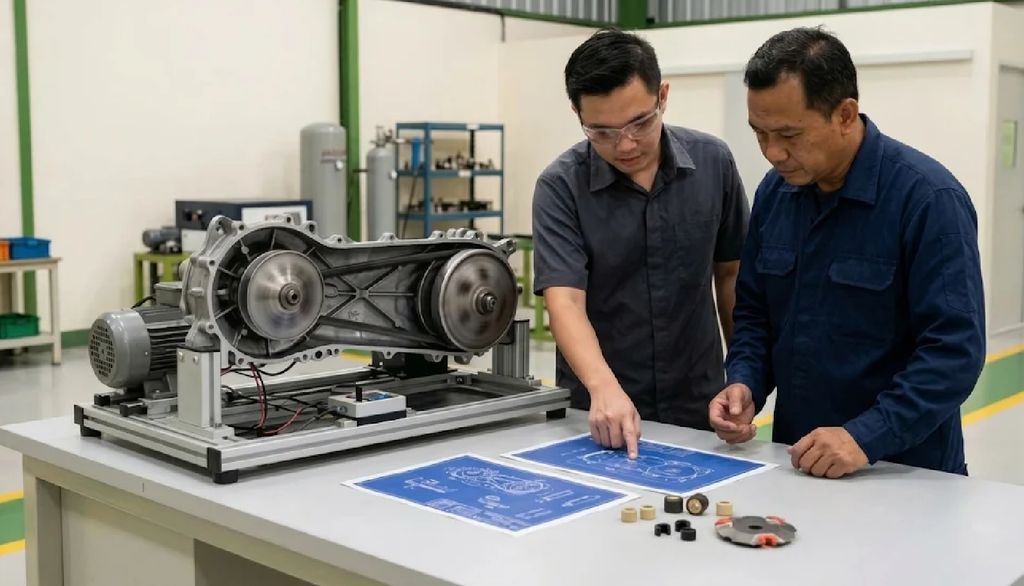
A manufacturing partner can be one of the parties to consult when evaluating production feasibility. Several aspects worth considering include experience with relevant processes, production capabilities, quality inspection systems, and communication regarding technical requirements.
New component development should begin with an understanding of market needs, clear specifications, material selection, manufacturing process evaluation, cost calculations, and testing plans. Each aspect helps companies assess the feasibility of an idea before making further decisions.