
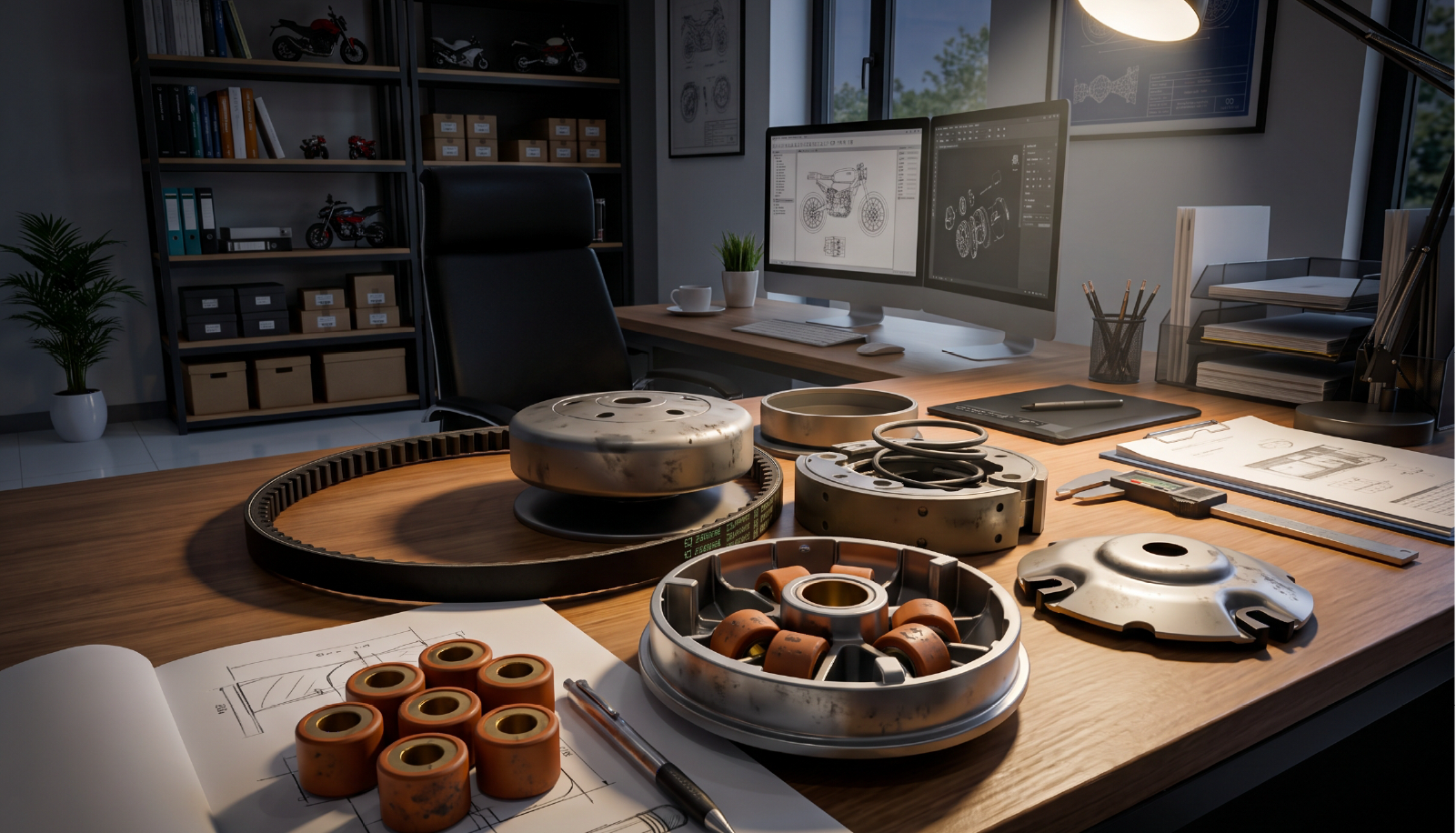
Weight Roller and Its Effect on CVT Characteristics
Automatic motorcycles use a CVT system to transfer power from the engine to the wheels. This mechanism consists of several components that work together continuously, one of which is the Weight Roller, also known as the CVT Roller.
The weight of the Weight Roller is one of the factors that can influence the operating characteristics of the CVT mechanism. Therefore, understanding how Weight Roller weight affects the CVT is important for motorcycle owners, workshops, and CVT users to better understand the component’s function and make more informed choices.
How Does Weight Roller Weight Affect the CVT?
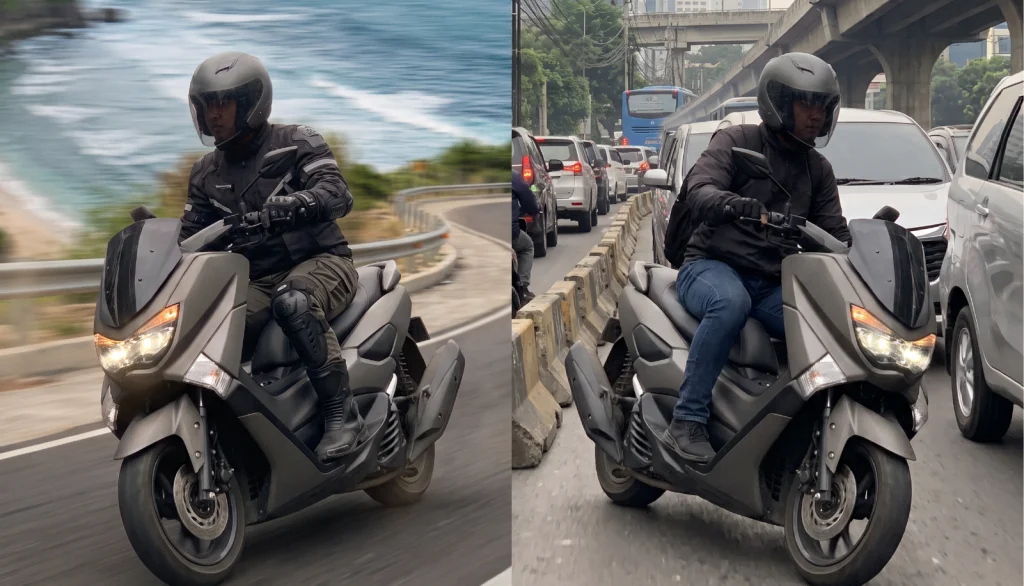
The effect of Weight Roller weight on CVT characteristics can be seen in the differences in how the mechanism responds when different roller weights are used. The following are some general characteristics of lighter and heavier Weight Rollers:
Lighter Weight Roller
A lighter Weight Roller can provide a different response from the CVT, particularly when the motorcycle begins to accelerate.
Several factors to consider include:
- The motorcycle’s initial response may feel different.
- Engine-speed characteristics can change depending on the CVT configuration.
- Results may vary from one vehicle to another.
- The condition of the pulley, Piece Slider, roller housing, and V-Belt still needs to be considered.
Heavier Weight Roller
A heavier Weight Roller can also produce different operating characteristics in the CVT system.
Several factors to consider include:
- The motorcycle’s acceleration response may feel different.
- CVT operating characteristics are influenced by the combination of components being used.
- A heavier roller is not necessarily suitable for every vehicle.
- The selection should be based on the vehicle’s requirements and CVT condition.
- Results on one vehicle may not be the same on another.
Choose Based on CVT Requirements
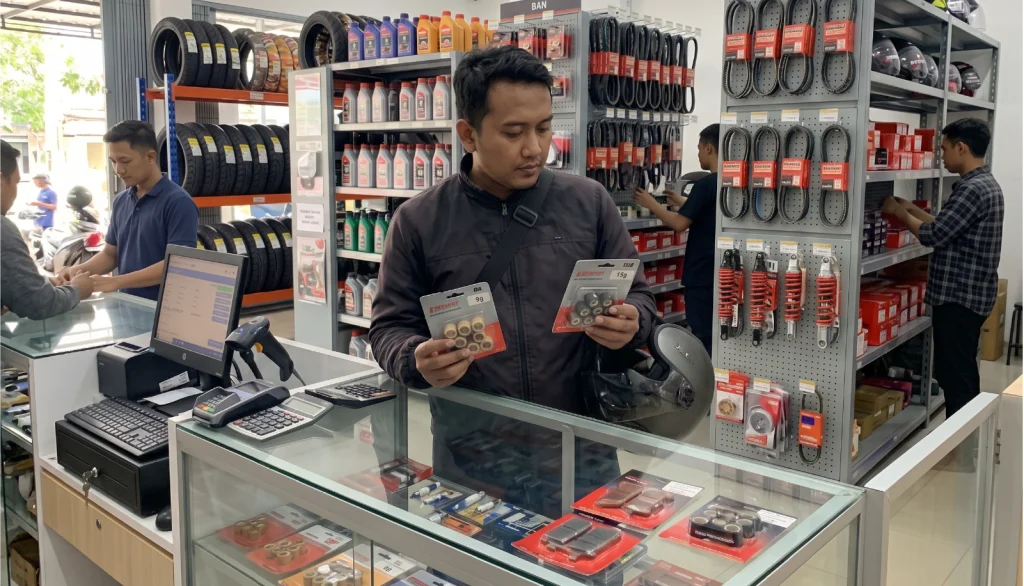
Differences in Weight Roller weight should be considered based on the vehicle’s requirements and application. Component selection should also take into account the condition of the pulley, Piece Slider, V-Belt, and other CVT components.
By understanding the characteristics of different roller weights, users can make more informed decisions rather than focusing solely on the roller’s size or weight.
CVT Characteristics Are Not Determined by the Weight Roller Alone
Changes in CVT characteristics are not influenced solely by the Weight Roller. Several other components also work within the same mechanism, including:
- Roller housing.
- Piece Slider or CVT Slider.
- Primary pulley.
- V-Belt.
- Secondary pulley.
- Clutch components.
The condition of these components should also be considered when inspecting the CVT. If the motorcycle experiences a change in response, the inspection should not immediately focus on the Weight Roller alone.
Wear, physical condition, or improper component installation can also affect how the CVT system operates.
What to Consider When Choosing a Weight Roller
Weight Roller selection should be based on the vehicle’s requirements and application. Several factors to consider include:
- Vehicle Compatibility
Make sure the selected component is suitable for the vehicle’s application and requirements. - Weight Selection
Do not determine the roller weight solely based on the desire to achieve a particular acceleration or speed characteristic. - Condition of Other CVT Components
Inspect other components so that changes in CVT characteristics can be evaluated more comprehensively. - Proper Installation
Make sure the component is installed correctly so that it can function as intended.
If you are still unsure about which Weight Roller is suitable, consulting a mechanic can help with the selection process.