
How Are CVT Spare Parts Manufactured? Here Process Stages
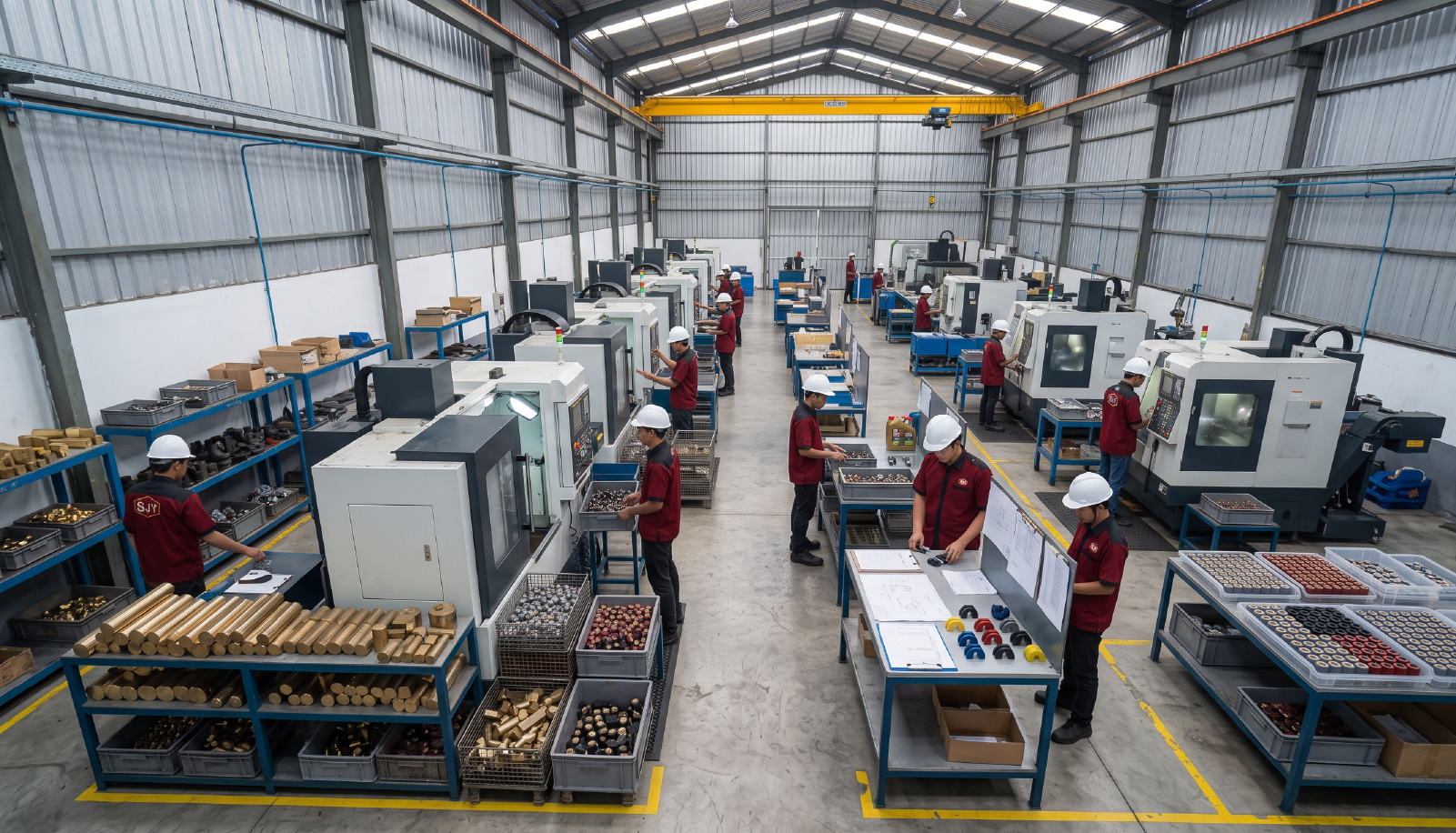
Behind every CVT spare part used in an automatic motorcycle, there is a series of production processes carried out in stages. From material preparation and component forming to quality inspection, each stage plays an important role in producing consistent products.
So, how are CVT spare parts manufactured? Understanding the production stages can provide a better overview of how automotive components are produced and inspected before they are ready for use or distribution.
How Are CVT Spare Parts Manufactured?
Components such as Weight Rollers, Piece Sliders, and CVT Pulleys are manufactured through a series of processes tailored to the shape and characteristics of each product.
Although these components are relatively small, each one requires a series of carefully managed production steps to meet the product’s requirements.
The production of CVT spare parts begins with preparing the materials required for the manufacturing process. Materials need to be properly prepared to ensure that the subsequent processes can run according to production requirements.
The components then go through manufacturing processes that are adjusted to their shape and characteristics. In-process inspections are also an important part of production, allowing the results to be monitored before the components move on to the next stage.
In addition to the manufacturing process, quality control is required to help ensure that the products remain within the specified requirements. By conducting inspections at several stages, production results can be monitored in a more structured manner.
So, what are the stages involved in manufacturing CVT spare parts? Here is an overview of the process.
CVT Spare Part Production Stages
Material Preparation → Component Manufacturing → Inspection → Quality Control → Final Product Inspection
1. Material Preparation
The production process begins with preparing the materials according to the type of component and manufacturing method being used. Material consistency needs to be maintained to support process stability and consistent product results.
2. Component Forming or Machining
Once the materials are ready, the process continues with component forming or machining according to the characteristics of the product.
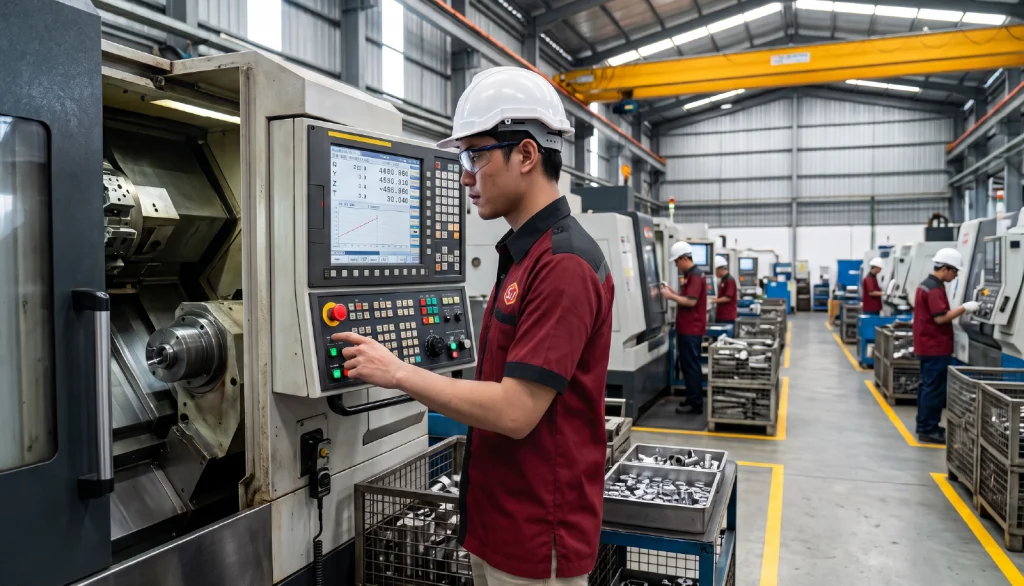
The methods may include plastic injection molding for plastic components or CNC turning/milling for certain components. Each product is manufactured using a method selected according to its requirements and specifications.
3. In-Process Inspection
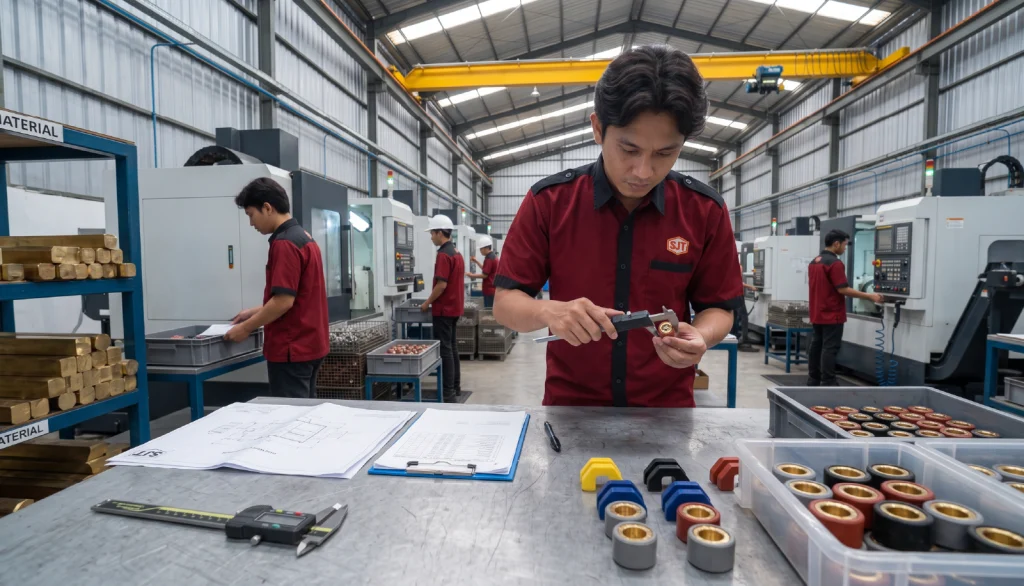
Production does not focus solely on the final product. Inspections are also carried out during the manufacturing process to ensure that the results remain within the required specifications.
If any condition requiring correction is identified, an evaluation can be carried out before the process continues to the next stage.
4. Quality Control
After the manufacturing process is completed, the products undergo Quality Control (QC) to help ensure that their characteristics and results meet the predetermined standards.
Inspections can be conducted on both plastic and metal components, depending on the type and requirements of the product.
5. Final Product Inspection
The final stage is the inspection of the completed product before it proceeds to storage, distribution, or use.
Final inspection helps ensure that the finished product is ready for its intended application and meets the applicable requirements.
Technology Helps Maintain Production Consistency
In automotive spare part manufacturing, production technology helps component processing become more controlled and structured. Processes such as plastic injection molding and CNC turning/milling support manufacturing requirements based on the characteristics of each component.
In simple terms, the relationship can be illustrated as:
Production Technology → More Controlled Processes → More Consistent Results → Easier Quality Inspection
However, technology is not the only factor that affects product quality. Quality is also influenced by materials, work processes, inspections, and Quality Control carried out throughout the manufacturing process.
Understanding these stages shows that CVT spare part quality is not determined solely by the appearance or final form of a component. It is also influenced by how the component is manufactured, monitored, and inspected throughout the production process.