
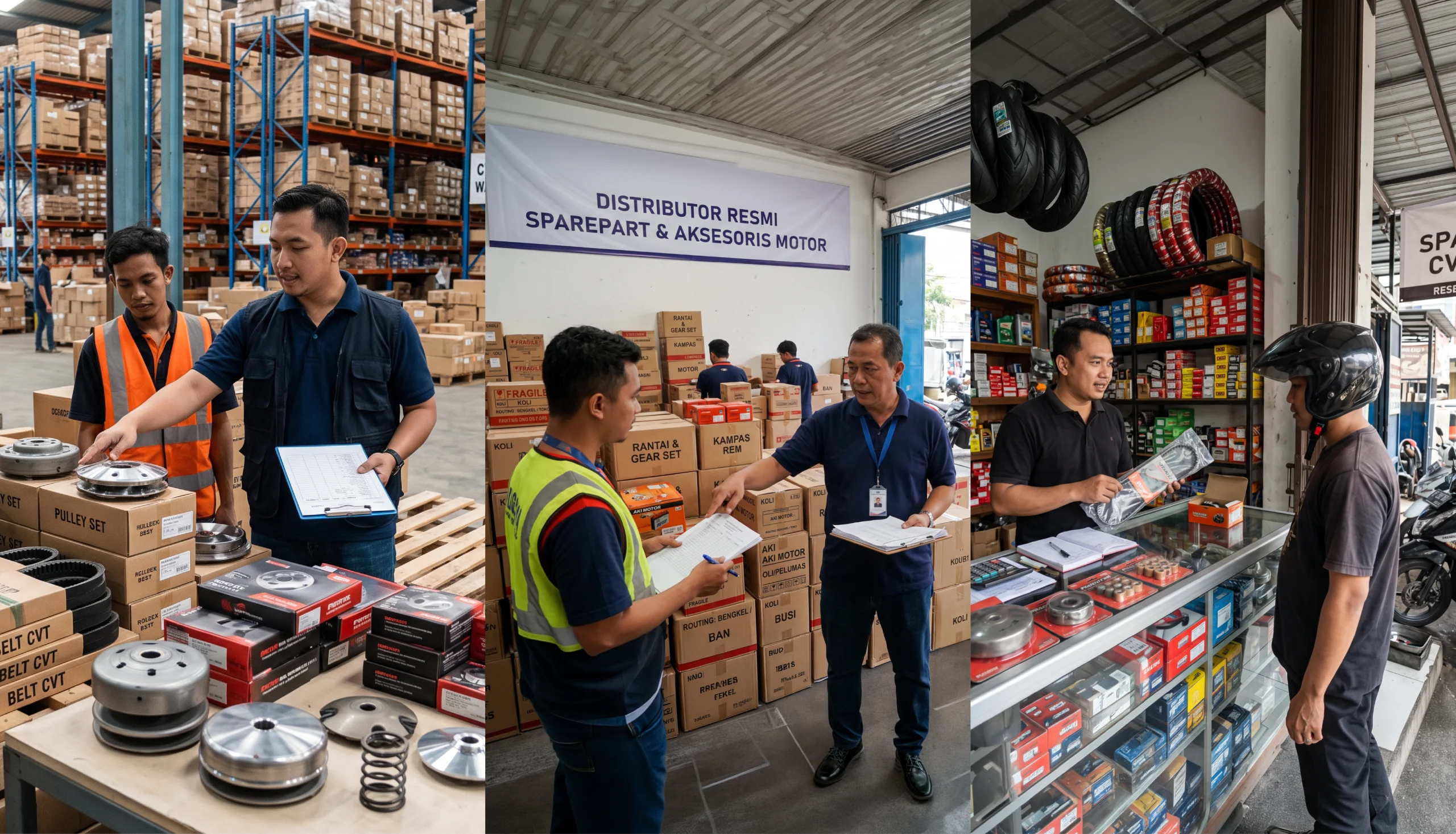
Key Differences Sparepart Distributors, Suppliers, and Resellers
In the automotive spare-parts business, the terms distributor, supplier, and reseller are commonly used to describe the parties involved in product procurement and sales. Although these roles are closely related, each has different responsibilities and areas of focus in business operations.
Understanding these differences is important for business owners when determining which type of partner best suits their needs. This is particularly relevant for business owners who are building business networks, identifying product sources, or seeking manufacturing partners for specific requirements.
Understanding the Roles in the Spare-Parts Supply Chain
The spare-parts supply chain involves several parties before products reach end users. Suppliers provide products, distributors help channel products through business networks, and resellers focus on selling products to their target markets.
These parties may work together within the same supply chain. Understanding each role can therefore help businesses determine their procurement needs and choose the most appropriate type of business partnership.
What Is a Spare-Part Distributor?

A distributor is responsible for channeling products from their source to business networks or specific customers. Its activities focus on managing and distributing products to help them reach a broader market.
The Role of Distributors in the Distribution Chain
Distributors typically need to consider the following:
- Stock availability.
- Efficient distribution.
- Customer network requirements.
- Consistency of the products being distributed.
These responsibilities make strong business relationships with product providers important for distributors.
What Is a Spare-Part Supplier?
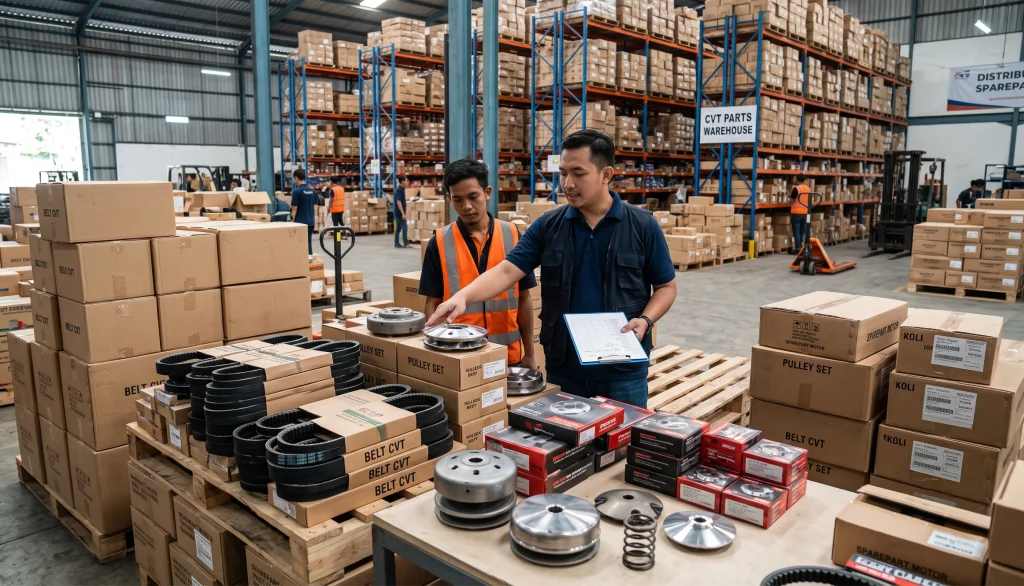
A spare-part supplier is a party that provides products to meet the needs of other businesses. In the automotive industry, suppliers can play an important role in meeting product requirements for distributors, retailers, workshops, and other businesses.
The Role of Suppliers in Business Operations
When working with a supplier, several factors should be considered, including:
- Availability of different product types.
- Product suitability for business requirements.
- Product consistency.
- Ease of communication and coordination.
For businesses that require a continuous supply of products, supplier selection should take long-term needs into account.
What Is a Spare-Part Reseller?

A reseller is a party that purchases products and then sells them to consumers or specific target markets. In the spare-parts business, resellers may use physical stores or digital platforms to reach customers.
The Role of Resellers in Sales
Resellers need to consider the following:
- Products that match market demand.
- Reliable product sources.
- Purchasing and selling prices.
- Customer needs.
Choosing the right supplier or distributor is an important consideration to ensure that the products offered meet market requirements.
Differences Between Suppliers, Distributors, and Resellers
Each party has different operating methods and responsibilities within the business. Understanding these differences can help businesses identify their needs and determine the most appropriate type of partnership.
| Aspect | Distributor | Supplier | Reseller |
| Role | Distributes products | Provides products | Resells products |
| Main Focus | Distribution | Procurement and supply | Sales |
| Customers | Retailers or business partners | Businesses | Consumers or customers |
| Primary Needs | Stock and distribution | Products and business cooperation | Products and market demand |
How to Choose the Right Business Partner
The choice of business partner should align with the company’s needs. Distributors that require specific supply volumes and procurement arrangements may have different considerations from resellers that focus more directly on market demand.
Several factors to consider include:
- The types of products required.
- Product quality and its suitability for business needs.
- Product supply capacity.
- Communication and coordination.
- The type of business arrangement being considered.
By evaluating these factors, businesses can identify partners that better match their business models. Understanding the differences between these roles can help business owners determine their procurement needs and select suitable partners. For more specific requirements, working with a manufacturing company under an appropriate business arrangement may also be worth considering.