
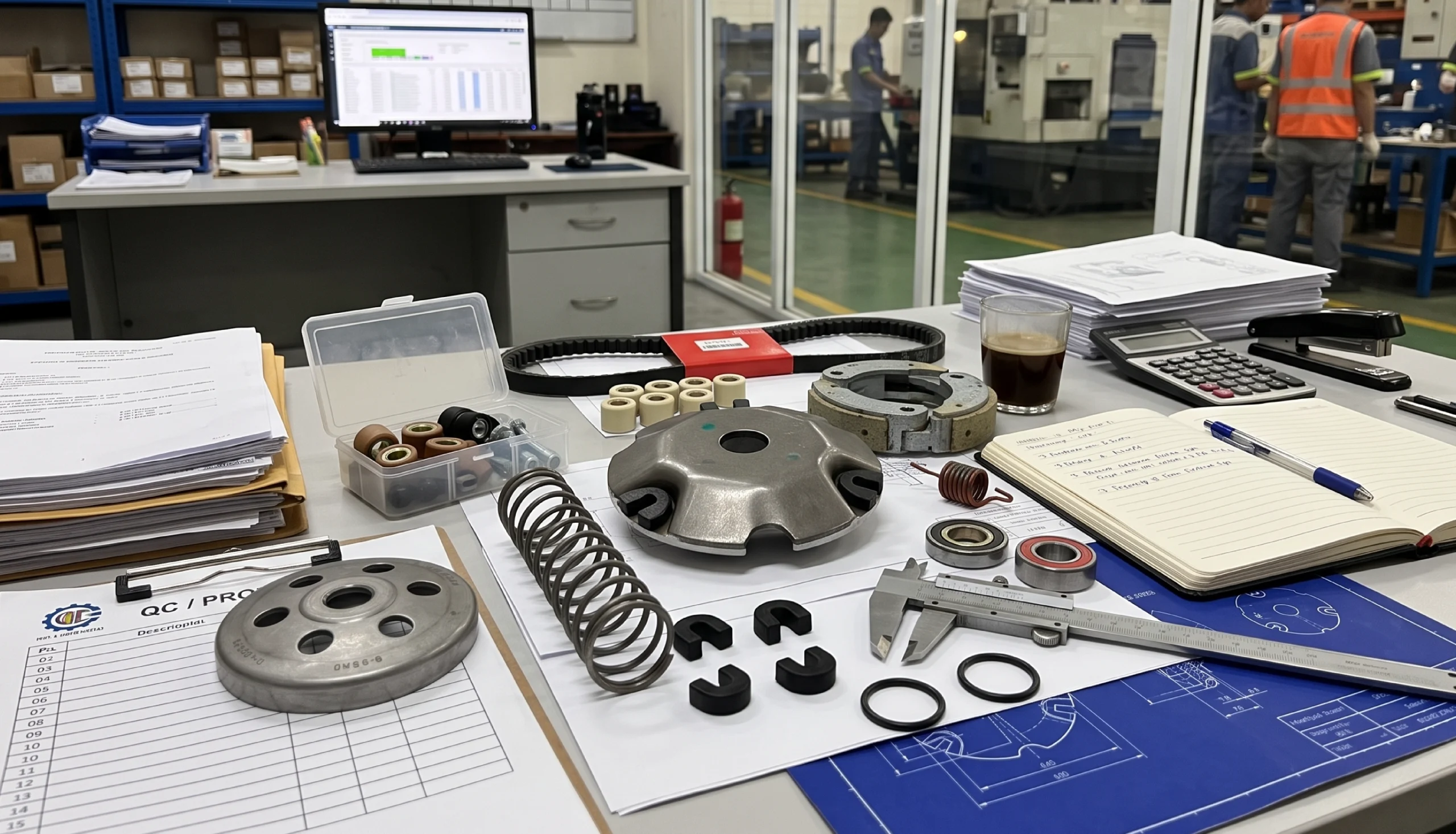
The Reason Two Small Components Matter in a CVT
Some components in an automatic motorcycle’s CVT system are relatively small, yet they play important roles in supporting the system’s overall operation. For this reason, CVT inspections should not focus solely on larger or more easily identifiable components.
Small CVT components, such as the Weight Roller and Piece Slider, work alongside other parts within the pulley mechanism. Their condition deserves attention because changes in shape or wear can affect how this interconnected mechanism operates.
Why Are Small CVT Components Still Important?
Size is not the only factor that determines the importance of a component. Each part of the CVT system has a specific function that supports the operation of other components.
While the CVT is operating, various parts move and remain in contact with one another. Therefore, the physical condition of each component should be checked during inspections.
Even small components can play an important role in the CVT mechanism because their positions and functions are related to the movement or operation of other parts.
Examples of Small Components in the CVT System
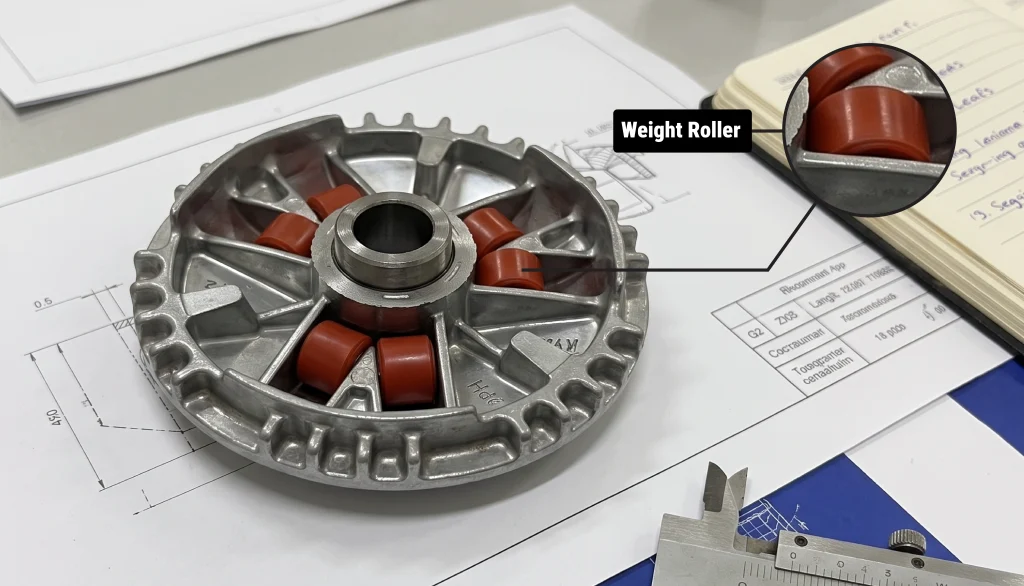
1. Weight Roller
The Weight Roller, also known as the CVT roller, is a component in the primary pulley mechanism. It moves in response to changes in rotational speed and centrifugal force, helping the pulley mechanism change position.
This movement is related to the CVT’s ratio adjustment process. Because the Weight Roller operates continuously while the motorcycle is running, its condition should be checked regularly.
Wear or changes in the roller’s shape are among the conditions that should be assessed during a CVT inspection.
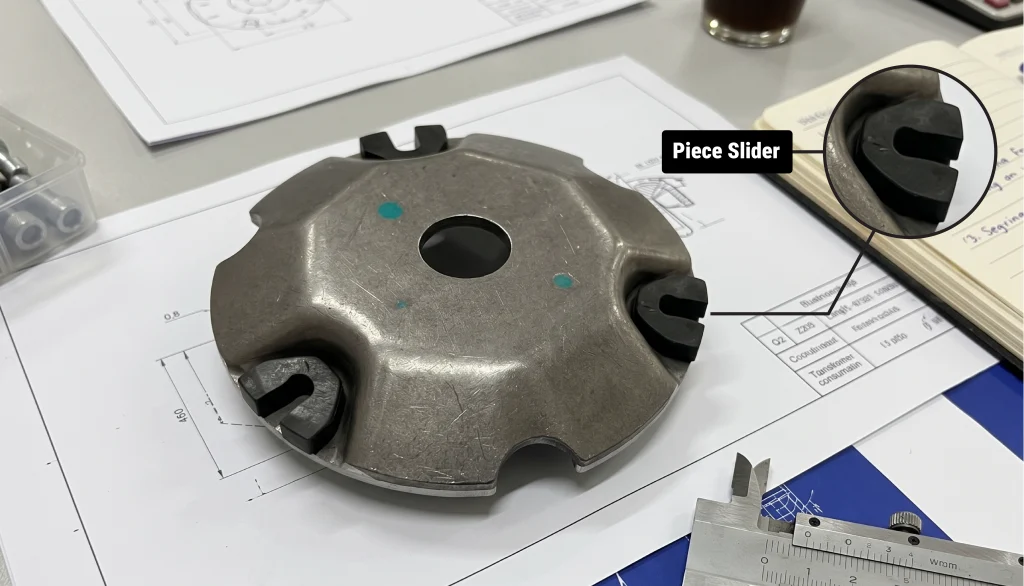
2. Piece Slider
The Piece Slider, also known as the CVT slider, is located in the primary pulley mechanism and works with the roller housing and related components.
Although small, the Piece Slider helps guide the movement of the mechanism in this area. Its condition should be monitored because wear or physical damage may affect how it interacts with surrounding components.
What Happens When Small CVT Components Develop Problems?
CVT components can change condition over time with continued use. Several signs to look out for include:
- Wear developing on component surfaces.
- Changes in component shape.
- Visible physical damage.
- Unusual noises coming from the CVT area.
- Changes in the motorcycle’s usual response.
However, these symptoms do not necessarily indicate a problem with one specific component. A comprehensive inspection is needed to determine which parts require attention.
Why Should CVT Inspections Cover More Than Just the Larger Components?
CVT components operate as an interconnected mechanism. Therefore, inspecting only selected parts may cause issues with supporting components to go unnoticed.
For technicians and mechanics, a comprehensive inspection helps assess the condition of each component before deciding what action is needed. For motorcycle owners, regular inspections can help identify changes in CVT condition at an earlier stage.
The following aspects can be checked during an inspection:
- The physical condition of components.
- Signs of wear.
- Changes in shape.
- The condition of interconnected components.
- Unusual noises or changes in vehicle response.
Tips for Monitoring the Condition of Small CVT Components
To keep the CVT’s condition under control, consider the following practices:
- Pay attention to unusual noises coming from the CVT area.
- Notice any changes in the motorcycle’s response during use.
- Have the components inspected during CVT servicing.
- Ensure that the physical condition of each component is checked properly.
- Use spare parts that match the vehicle’s requirements and specifications.
- Have inspections and installations performed by technicians familiar with CVT systems.
Small Components in PT. Sejati Jaya’s CVT Product Range
Understanding the functions of small components is also important in the automotive spare-parts industry. PT. Sejati Jaya Tangerang manufactures various CVT components, including Weight Rollers and Piece Sliders. Each component has a different function and set of characteristics, so its selection and use should be matched to the vehicle’s requirements.