
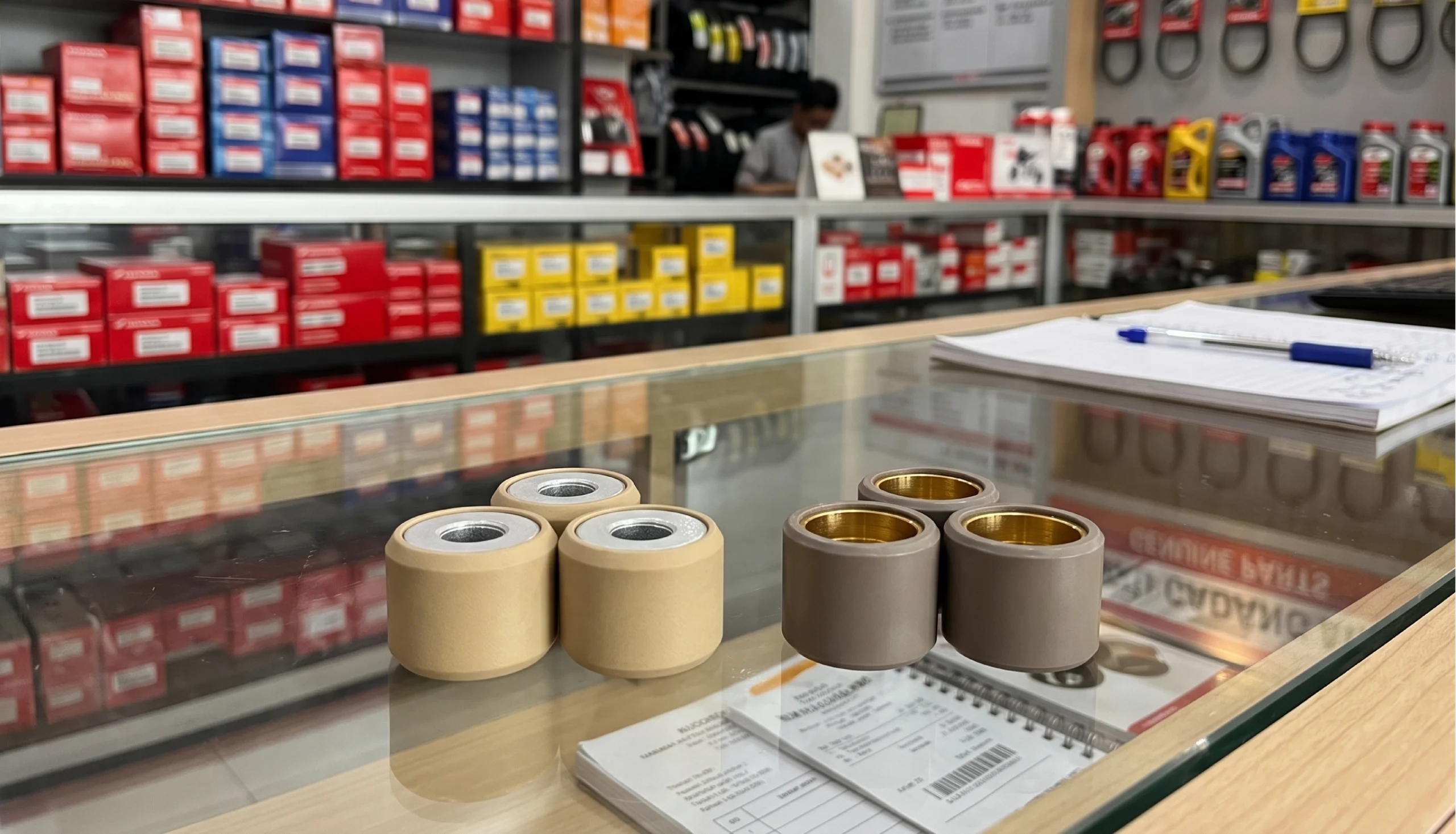
Light vs Heavy Weight Rollers: Which Is Right for Automatic Scooter?
Weight Rollers are available in various weights, each of which can influence the operating characteristics of a CVT system on an automatic motorcycle. Therefore, workshops, mechanics, and spare-parts retailers need to understand the differences between lighter and heavier rollers so they can select the appropriate option based on the vehicle’s requirements and specifications, rather than simply assuming that one is better than the other.
Why Does Weight Roller Weight Matter?
Weight Roller weight is one of the factors to consider when making adjustments to a CVT system. Differences in weight can affect how the rollers move as engine speed increases, which in turn relates to changes in pulley position.
As a result, using rollers with different weights can produce different CVT operating characteristics. These changes may be noticeable in the motorcycle’s response when accelerating from a stop or when the riding speed changes.
However, the effect of roller weight does not work independently. The condition of the pulley, roller housing, V-belt, and other CVT components can also affect the resulting performance. Therefore, roller weight should be selected by considering the CVT system as a whole.
Light vs. Heavy Weight Rollers: Key Differences to Understand
Light Weight Rollers
Weight Rollers with a lighter weight can provide different CVT response characteristics compared with heavier rollers. Under certain conditions, this difference may affect the engine-speed response when the motorcycle begins to accelerate.
Lighter rollers may be considered depending on the vehicle’s requirements, but lighter does not always mean better. The motorcycle’s specifications and the condition of its CVT components should still be taken into consideration.
Heavy Weight Rollers
Heavier Weight Rollers also have different operating characteristics. The difference in weight can affect roller movement and pulley response while the CVT system is operating.
As with lighter rollers, heavier rollers should not be considered the most suitable option for every motorcycle. Compatibility with the vehicle’s specifications and intended use remains the primary consideration.
How Do You Choose the Right Roller Weight?

Choosing the appropriate Weight Roller should not be based solely on comparing lighter and heavier options. Several factors should be considered, including:
Vehicle Specifications
Make sure the roller’s weight and dimensions are appropriate for the motorcycle application.
Intended Use
Consider how the motorcycle is used, whether for daily riding or other operational needs.
Condition of the CVT Components
Inspect the pulley, roller housing, V-belt, and related components before replacing the rollers. The condition of these components can affect CVT operation.
Spare-Part Compatibility
Use Weight Rollers with specifications that match the vehicle requirements. Selection should therefore be based not only on weight but also on product compatibility.
Mistakes to Avoid
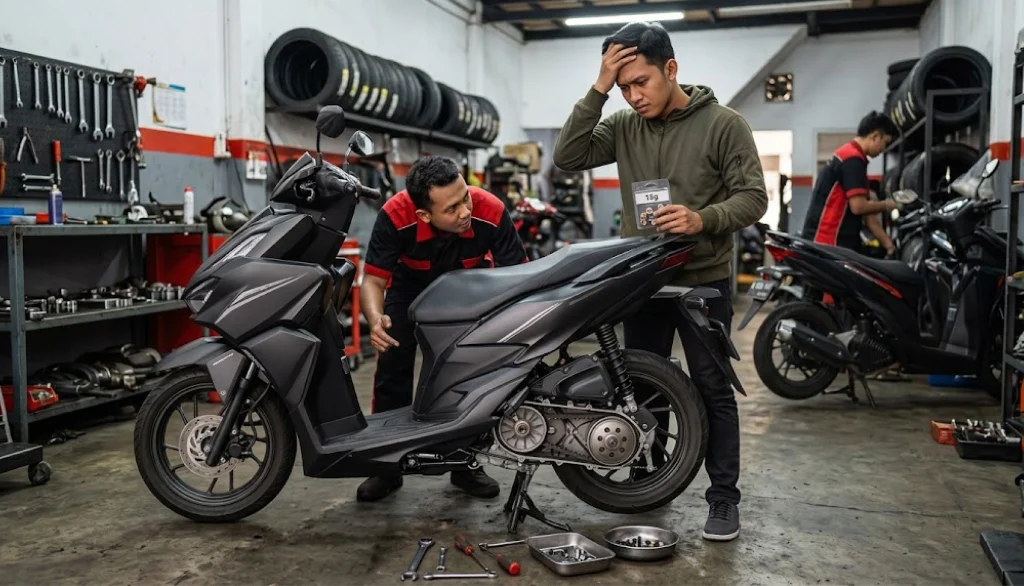
One common mistake when selecting a Weight Roller is assuming that lighter rollers will always provide better results or that heavier rollers will always be superior. In reality, the resulting characteristics can vary depending on the vehicle application.
Workshops and mechanics should consider the overall condition of the CVT system before making a selection. Meanwhile, for distributors, resellers, and spare-parts retailers, information about product dimensions, weight, and application is important for helping customers choose a suitable option.
In conclusion, light and heavy Weight Rollers have different operating characteristics. The appropriate choice should be based on the motorcycle’s specifications, intended use, and the condition of the overall CVT system. There is no single roller weight that is automatically suitable for every automatic motorcycle.