

Differences Between Forging and Injection in Automotive Manufacturing
In the automotive industry, different components may require different manufacturing methods. The choice of manufacturing process depends on factors such as the type of material, the desired shape, precision requirements, and production volume.
The processes that need to be understood are forging and injection moulding. Understanding the differences between these three helps students, technicians and industry professionals to see how the requirements of a component determine the production approach.
An Introduction to Two Automotive Manufacturing Processes
1. Forging for Metal Component Forming
Forging is a metalworking process that applies pressure or impact to shape a material into the desired form. This process uses specialized equipment, such as presses or forging hammers, without requiring the metal to be melted first.
This technique is generally used to manufacture components that require specific mechanical strength characteristics. In the automotive industry, applications include connecting rods and certain vehicle components that are part of the chassis system.
Before selecting forging, manufacturers need to consider the material type, component design, desired characteristics, and available production facilities.
2. Injection Molding for Plastic Components
In the injection molding process, plastic is heated until it melts and is then injected into a mold to form a component. Once the material hardens through cooling, the finished part is removed from the mold.
This technique is suitable for producing plastic components with shapes that need to be manufactured repeatedly. Product design, material type, mold design, and production volume are among the factors to consider when selecting this process.
When Should Each Process Be Used?
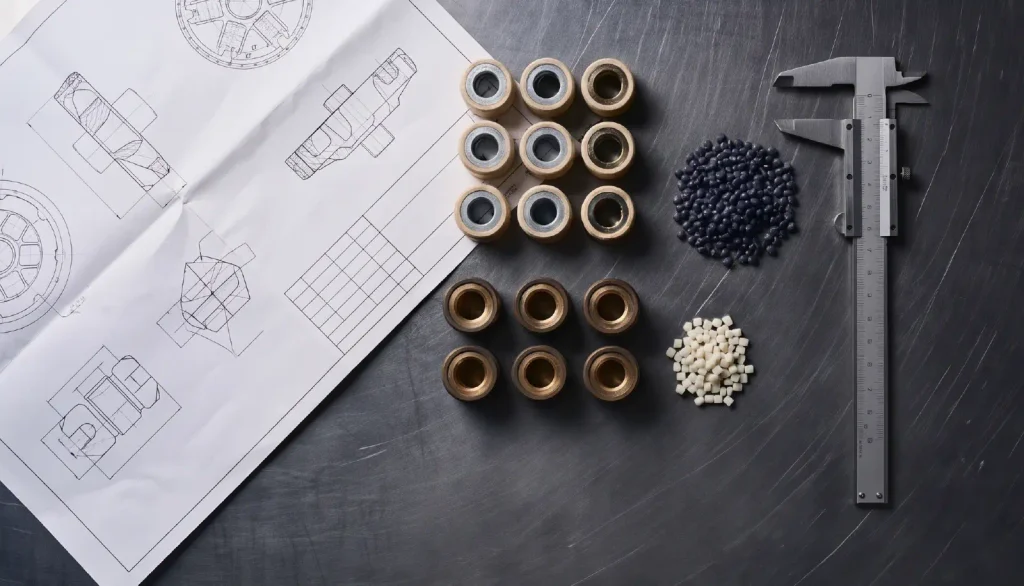
No single method is suitable for every manufacturing requirement. Process selection needs to take several factors into account:
- Material type: Determines which forming methods are suitable.
- Component shape: Influences the type of mold, tooling, and machining stages required.
- Production volume: Relates to equipment requirements and cost per component.
- Precision: Determines whether additional processing or machining is necessary.
- Overall cost: Includes tooling, materials, processing, and inspection requirements.
Evaluating these factors helps companies select a process that suits the product’s characteristics rather than simply choosing the technology that appears to be the most modern.
Understanding the differences between these processes helps manufacturers select automotive production methods based on material, design, production volume, and precision requirements. With proper consideration, process selection can be carried out in a more structured manner.