
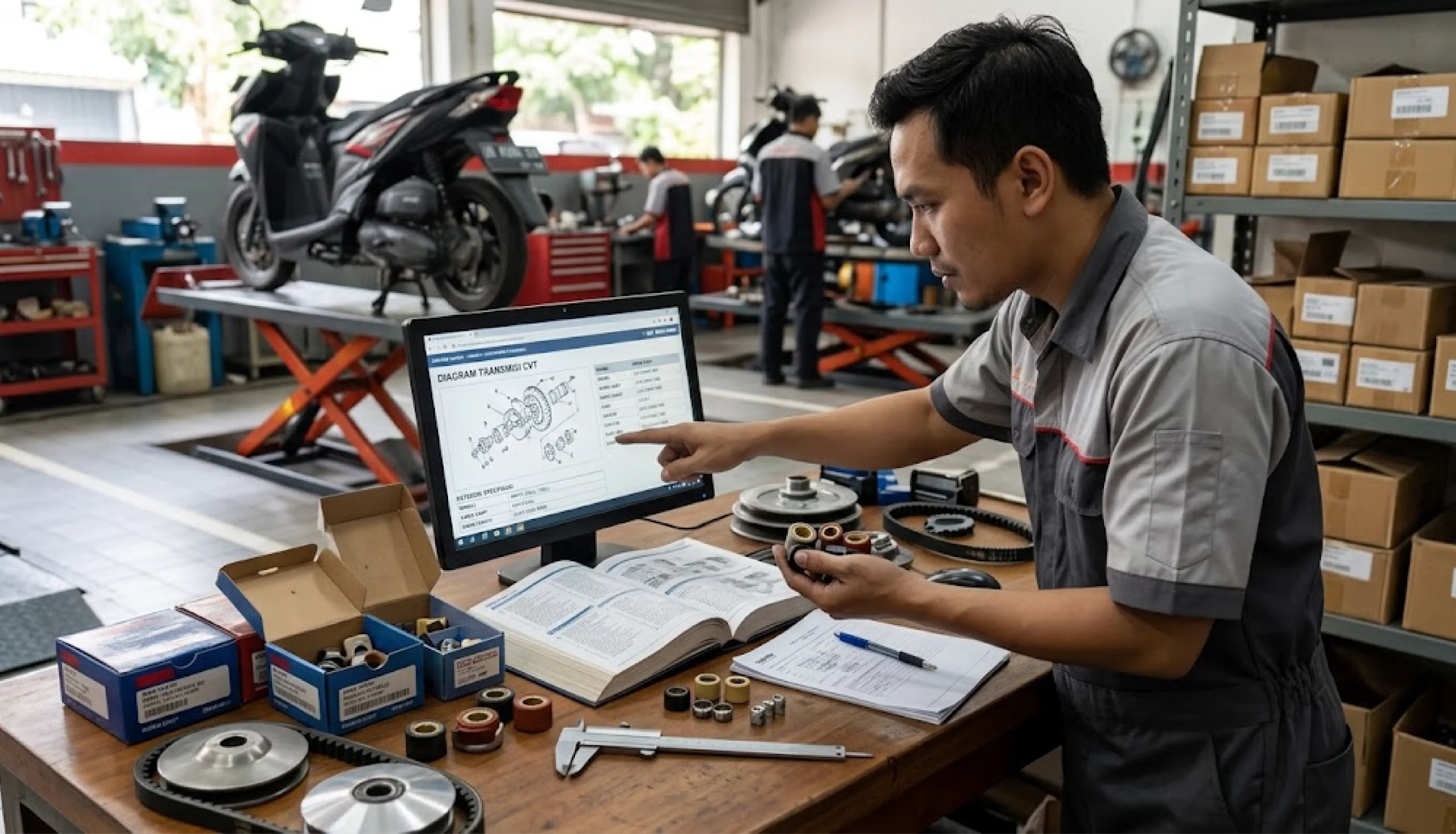
Why Is Vehicle Model Compatibility Important When Identifying CVT Parts?
The vehicle model is an important factor to consider when looking for CVT transmission spare parts. This information helps you begin checking part numbers, specifications, shapes, and component conditions. These details can help make the identification process more focused and ensure that components are checked according to the vehicle’s requirements.
Why Is the Vehicle Model Important?
Different vehicles may require different components. Therefore, knowing the vehicle model helps narrow down the options when looking for CVT spare parts.
For example, when a customer or vehicle owner visits a workshop to find a CVT component, the vehicle model can serve as initial information before further inspection is carried out. This information can then be compared with available product or component data.
This approach ensures that component identification does not rely solely on the component’s appearance or spare-part name.
What Should Be Considered When Identifying CVT Spare Parts?
The vehicle model is an important starting point, but it is not the only factor to consider. Other information can also help with the identification process.
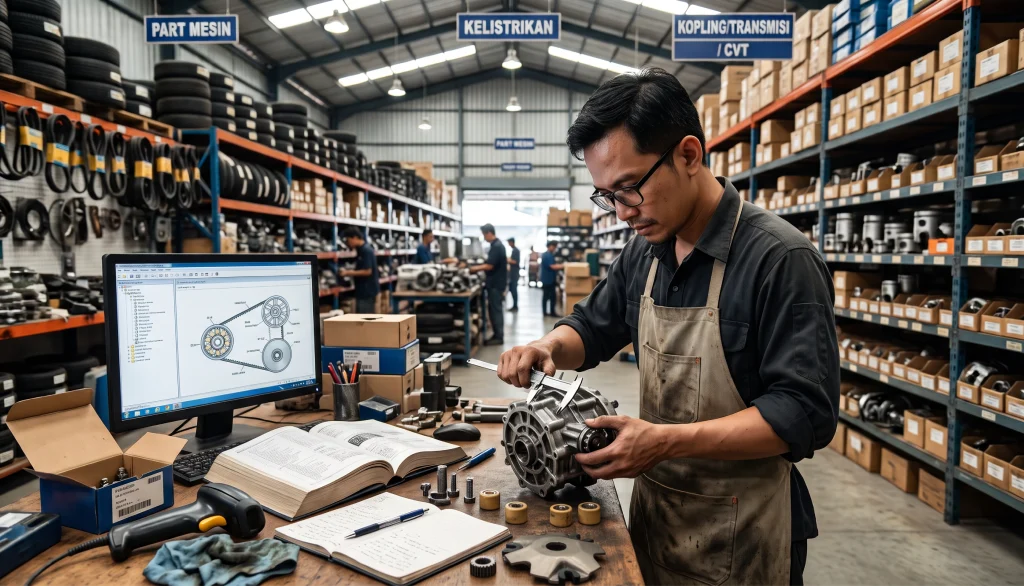
1. Vehicle Model and Variant
Record the vehicle model clearly. If necessary, the vehicle variant or model year can also provide additional information for inspection.
2. Part Number or Product Information
If a spare part has a part number, this information can help with the identification process. Information on the previously installed component can also serve as a reference during inspection.
3. Component Shape and Condition
Check the physical appearance of the component that needs to be replaced. This inspection can help compare the existing component with the replacement product.
4. Compatibility with the Vehicle System
Once the relevant information has been collected, compare it with the vehicle’s requirements. If there is still any uncertainty, consulting a mechanic or supplier can be a more appropriate next step.
What Are the Risks of Incorrect Spare-Part Identification?
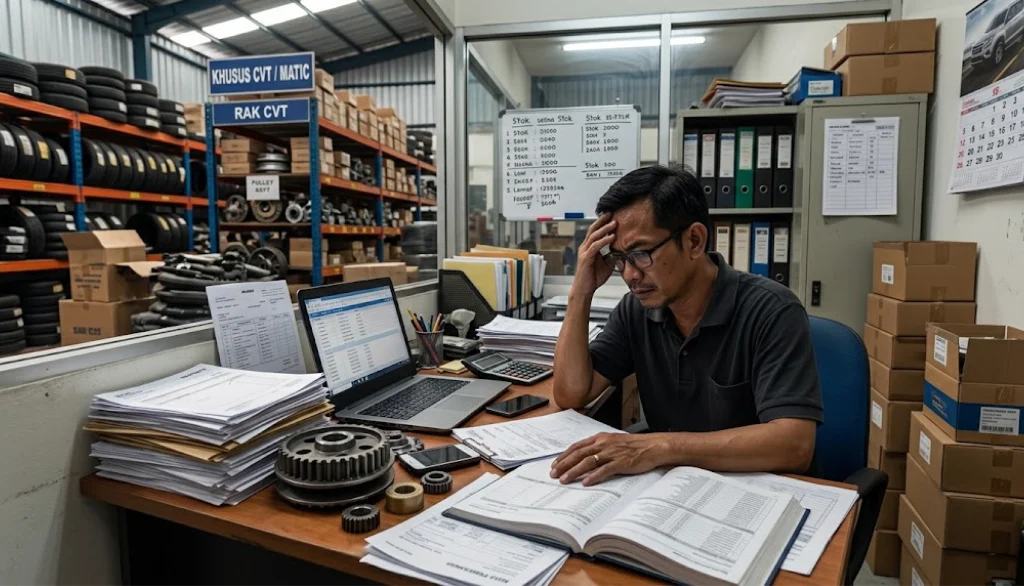
Incorrect identification can make the procurement process less efficient. The product received may not meet the vehicle’s requirements, meaning it needs to be checked again before use.
For workshops, this situation can increase inspection time. For distributors and spare-parts retailers, incorrect identification can affect inventory management if the available products do not match customer requirements.
Therefore, the identification process should be based on several pieces of information rather than a single characteristic.
How Can You Improve Identification Accuracy?
To help identify CVT spare parts for automatic motorcycles more accurately, several simple steps can be followed:
- Identify the vehicle model that requires the component.
- Inspect the existing component and check any available product information.
- Match the part number or specifications with the product data.
- Check the physical appearance of the component as additional reference information.
- Consult a supplier or technician if any information remains unclear.
These steps help workshops, retailers, and distributors conduct inspections using more complete information.
Important for Distributors, Workshops, and Spare Parts Shops
Identifying spare parts is not only important for vehicle owners. For those in the automotive business, accurate information is also essential for service delivery and product management.
Distributors require clear product data to facilitate procurement and distribution processes. Repair shops need precise information when sourcing components for their customers’ vehicles. Meanwhile, spare parts retailers must have a thorough understanding of the products they offer to provide more accurate information. Consequently, grasping the relationship between vehicle models and component requirements is crucial, as it helps make business processes more focused and efficient.