
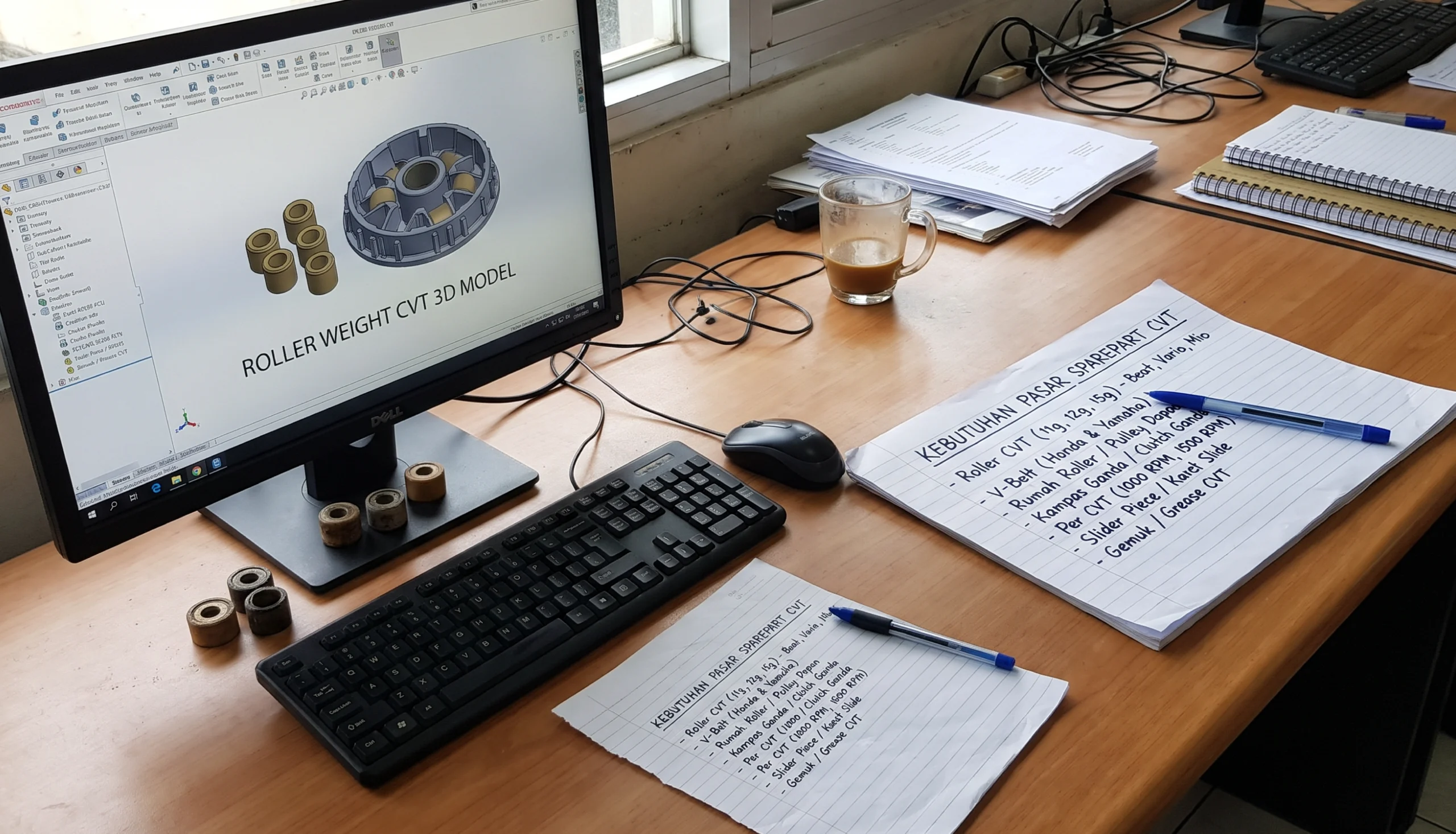
Developing Spare Part Products Aligned with Market Needs
Spare parts product development involves more than simply creating new components. For manufacturing companies, the process must also consider intended applications, product characteristics, and the needs of the target market.
Therefore, spare parts development should follow a structured process. From understanding requirements to conducting evaluations and making adjustments, each stage can help establish a foundation for developing product concepts that better align with the intended objectives.
Why Is It Important to Understand Market Needs Before Developing a Product?
Before moving into the design stage, market needs must first be understood. This information may come from user requirements, problems that need to be addressed, or input from parties involved with the product.
Several factors to consider include:
- Intended product applications.
- Characteristics of the target application.
- Issues that need to be addressed.
- Required component shapes or characteristics.
- Feedback from customers or relevant stakeholders.
This stage helps provide direction for automotive spare parts development, ensuring that the process considers not only product creation but also the intended purpose of the product.
Turning Requirements into Product Concepts
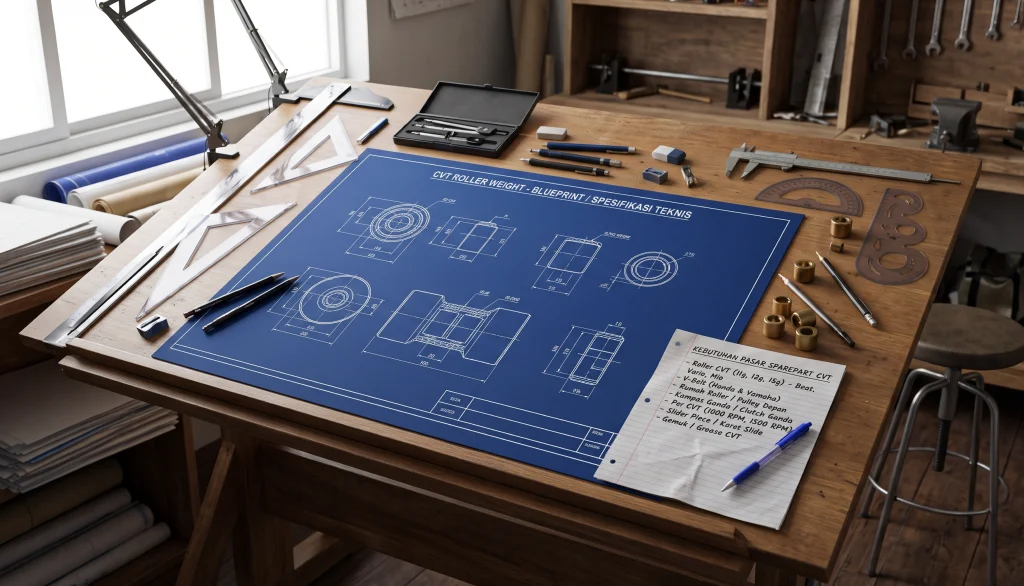
The information gathered can then be translated into a development concept. At this stage, the company can define the product’s objectives, basic requirements, and key characteristics to consider.
This concept serves as the foundation for developing an initial design. In product development, the design process should account for the component’s function, intended application, and relationship with other systems or components.
Stages of Spare Parts Product Development
The process of developing spare parts to meet market needs can be understood through the following stages:
1. Requirements Identification
Identify the needs and product characteristics that will serve as the foundation for development.
2. Design
Develop concepts and designs based on the identified requirements.
3. Development
Turn the design into a product form that can be evaluated against the development objectives.
4. Evaluation
Assess the design, shape, characteristics, and suitability for the intended application based on the development results.
5. Adjustment
Make changes or refinements when the evaluation identifies aspects that require further adjustment.
These stages demonstrate that product development is a gradual, iterative process that can be repeated based on evaluation results.
The Role of Customization in Spare Parts Development
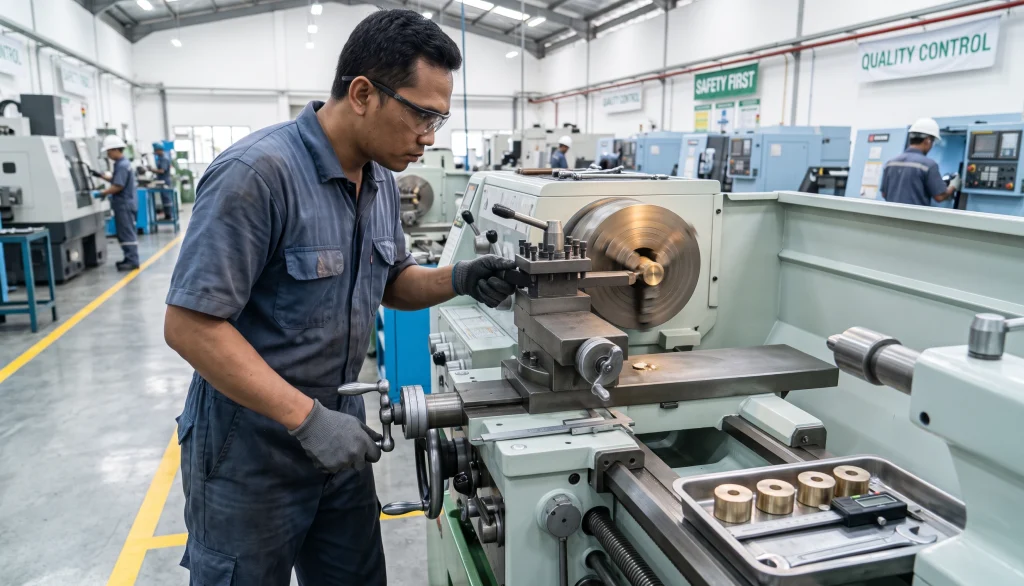
Every product has different requirements and characteristics. Therefore, spare parts customization can be part of the development process, allowing the design, shape, or characteristics of a product to be adjusted to suit its intended application.
Manufacturing processes and quality control also support these adjustments. By considering market needs and conducting evaluations and refinements, product development can be directed toward the established objectives.