
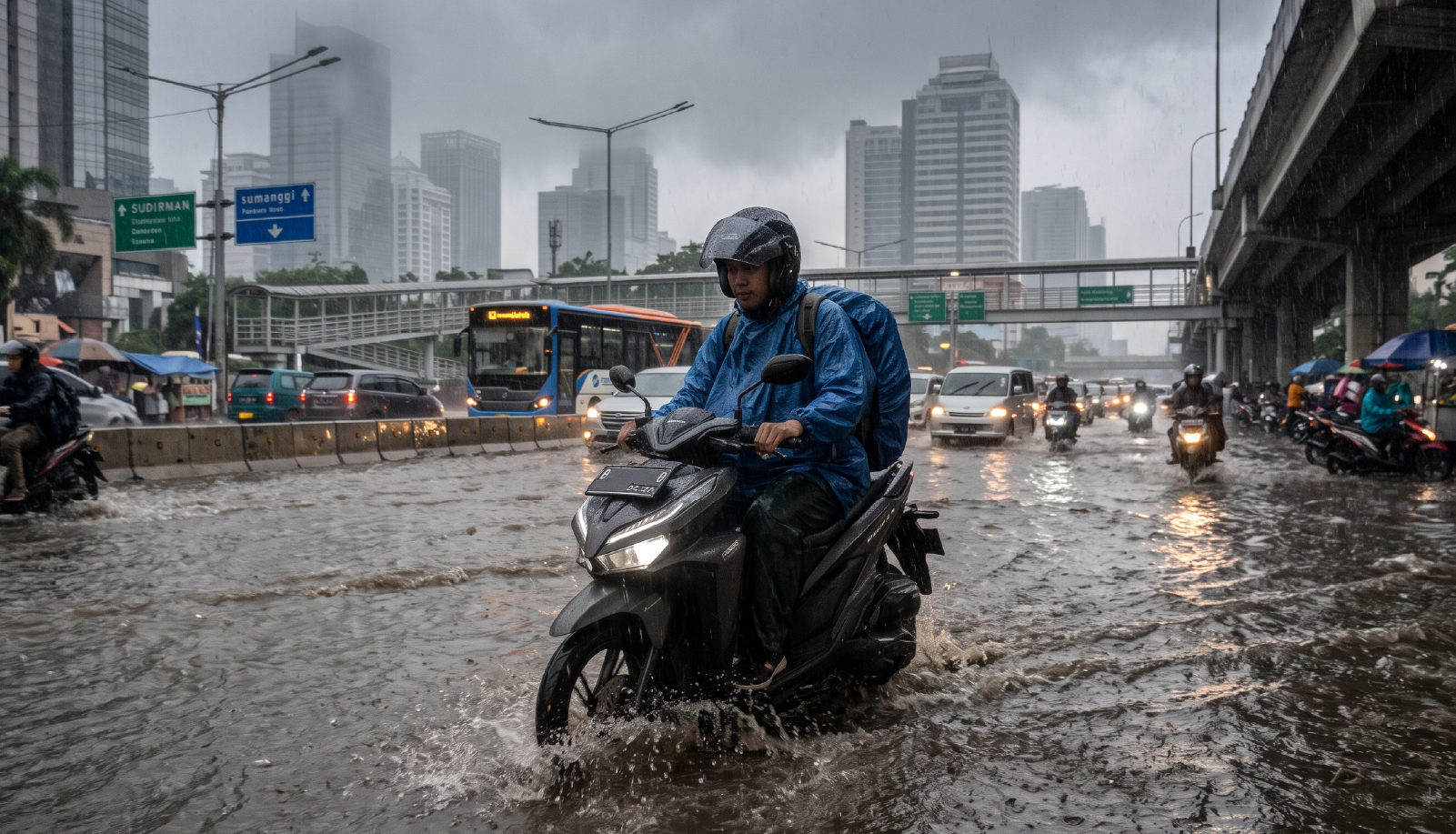
Beware! Motorcycle Risks When Riding Through Floodwater
Have you recently ridden your motorcycle through floodwater? Do not assume it is safe simply because it still runs. After exposure to floodwater, you should pay attention to any changes in your motorcycle’s condition before returning to normal use.
So, what potential effects of floodwater exposure should riders watch for? Changes in engine or mechanical noise, vibrations, and component condition can all indicate that further inspection may be necessary.
What Should You Check After Riding Through Floodwater?
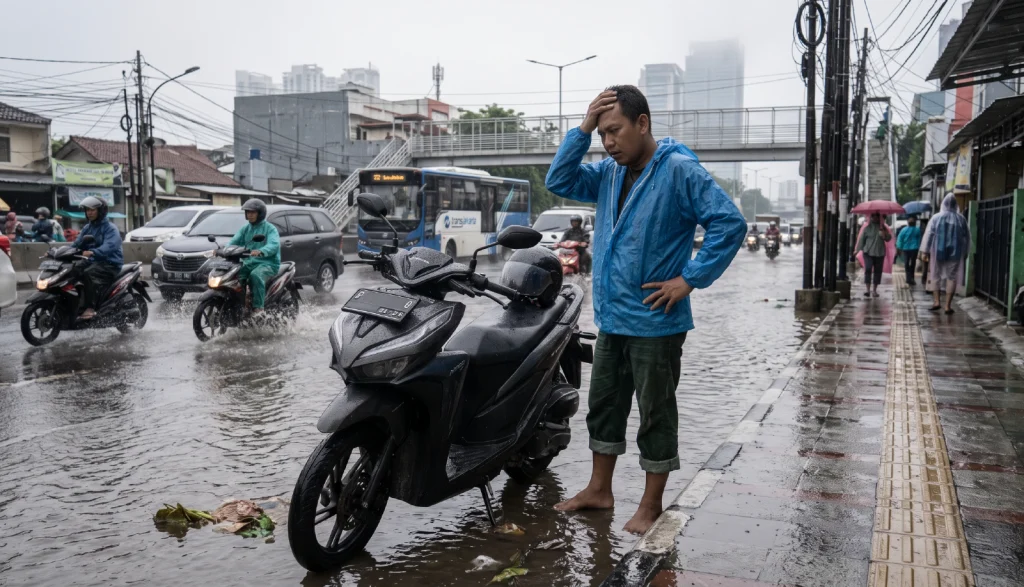
A motorcycle’s condition after riding through floodwater can vary depending on the vehicle and the extent of its exposure to water. Therefore, an inspection is an important step in determining its actual condition.
Do not focus solely on whether the motorcycle still starts. Even minor changes noticed after exposure to floodwater deserve attention, as they may indicate that certain parts of the motorcycle need to be inspected.
Potential Effects of Floodwater Exposure to Watch For
1. Changes in Motorcycle Noise
After your motorcycle has been exposed to floodwater, pay attention to any sounds that differ from the usual ones. Rougher or unusual noises may indicate that an inspection is necessary.
However, a change in noise does not necessarily originate from a specific component. Further inspection is needed to identify the source.
2. Changes in Motorcycle Response
In addition to unusual noises, riders may notice changes in how the motorcycle responds. For example, acceleration may feel different, vibrations may occur, or the motorcycle may respond differently than usual.
These symptoms cannot automatically be attributed to floodwater damage. An inspection is necessary to identify the affected areas, if any.
3. The CVT System May Need Inspection
The CVT system is one area that may need to be inspected if changes in motorcycle response occur. It contains several components that work together, including Weight Rollers, Piece Sliders, pulleys, the V-belt, and clutch shoes.
If your motorcycle develops unusual noises, vibrations, or changes in response after riding through floodwater, the CVT system can be inspected based on the vehicle’s condition and needs.
4. Changes in Component Condition
An inspection can also help identify changes in the physical condition of affected motorcycle parts. Any visible changes can help determine the appropriate next steps for maintenance.
Since every motorcycle’s condition is different, not every component needs to be replaced immediately after exposure to floodwater.
What Should You Do After Riding Through Floodwater?
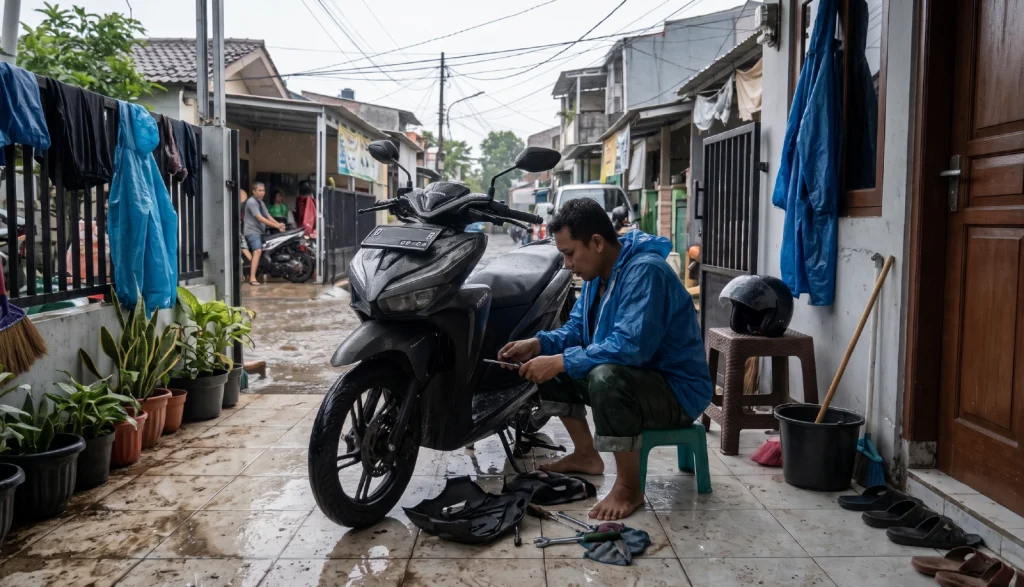
If your motorcycle shows changes after riding through floodwater, consider the following steps:
Check your motorcycle’s condition. Do not ignore unusual noises, vibrations, or changes in how the motorcycle responds after exposure to floodwater.
Pay attention to the CVT system and related components. If you notice symptoms affecting the motorcycle’s response, have the CVT system inspected to assess the condition of its components.
Seek help from a technician if necessary. If you are unsure how to inspect your motorcycle, have a qualified mechanic or repair shop assess its condition.