

Developing Yamaha XMAX CVT Spare Parts Variants
Developing Yamaha XMAX CVT spare parts variants is an effort to align component options with market needs and the vehicle’s characteristics. This step is important for automotive companies looking to build a more focused product portfolio, particularly in response to consumer demand for various replacement parts.
For brand owners and distributors, expanding product variations involves more than simply adding new product types. Each option needs to take user requirements, application information, and market opportunities into account to ensure it serves a clear purpose.
Why Should XMAX CVT Spare Parts Variants Be Developed?
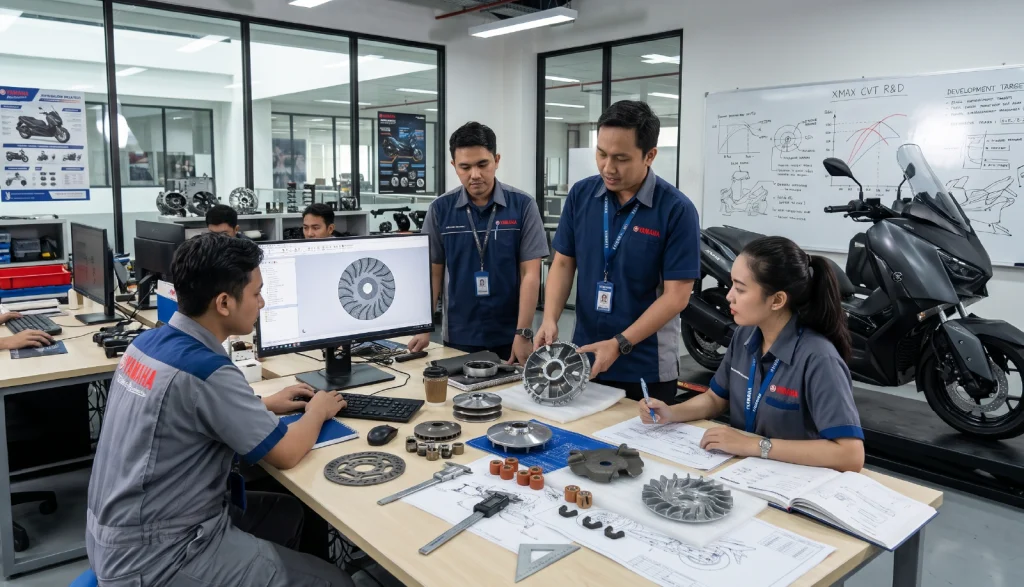
The Yamaha XMAX serves a market segment with users who need replacement components suited to their vehicles. This creates opportunities for businesses to identify the types of CVT spare parts in demand.
Distributors can monitor frequently requested components through customer inquiries and sales activities. This information can help brand owners determine the direction of future product development.
By understanding market needs, companies can avoid adding irrelevant product variants and focus more on products with potential demand.
Key Considerations for Developing Product Variants
1. Identifying Yamaha XMAX Market Needs
Product development should begin with an assessment of consumer needs. Information from distributors, repair shops, and users can provide insights into the types of components that are in high demand.
For example, if distributors frequently receive requests for a particular component in the XMAX CVT system, this information can be used to evaluate potential opportunities for developing new product variants.
2. Determining the Direction of CVT Component Variations
Each product variant should have a clear purpose. Companies can consider component types, product characteristics, and application requirements before deciding which options to develop.
For example, portfolio development can focus on several CVT component categories, such as Weight Rollers, Piece Sliders, Pulleys, and V-Belts. However, each development initiative still requires appropriate application references and specifications that match the vehicle.
3. Organizing the Product Portfolio by Application
An organized product portfolio helps companies distinguish components based on vehicle types and application references. This is important to ensure that product variations are not simply increasing in number but also come with clear information.
Distributors can use this classification to identify the available product options. Meanwhile, brand owners can use it as a basis for determining future product development priorities.
Collaboration Between R&D and Business Teams in Product Development
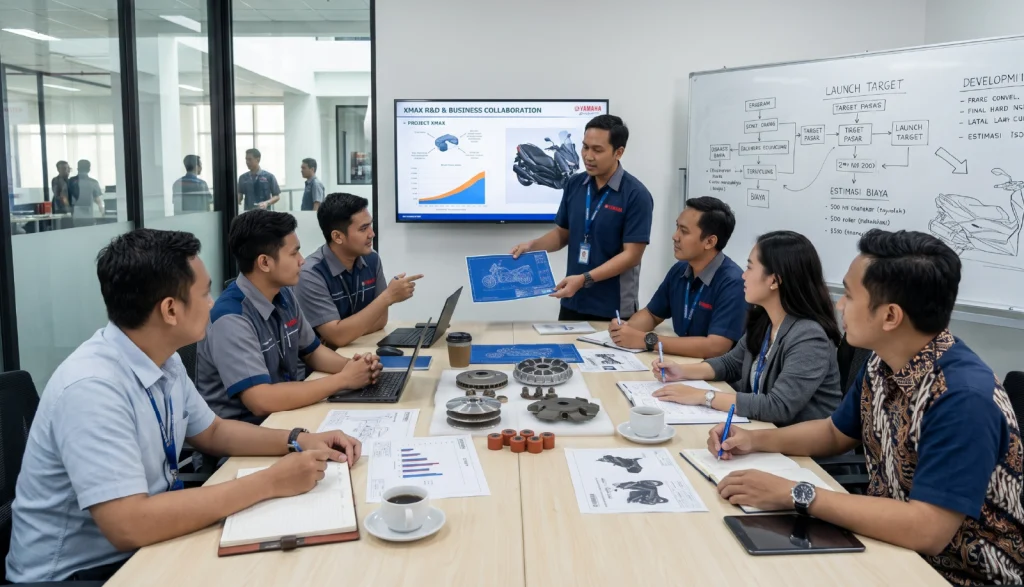
R&D teams consider technical aspects when evaluating component development needs. Meanwhile, marketing teams and distributors understand market demand and changing customer requirements.
Exchanging information between these teams helps companies determine a more relevant product development direction. For example, feedback from distributors about demand for a particular component can serve as an input for the R&D team to evaluate before further considering a new product variant.