
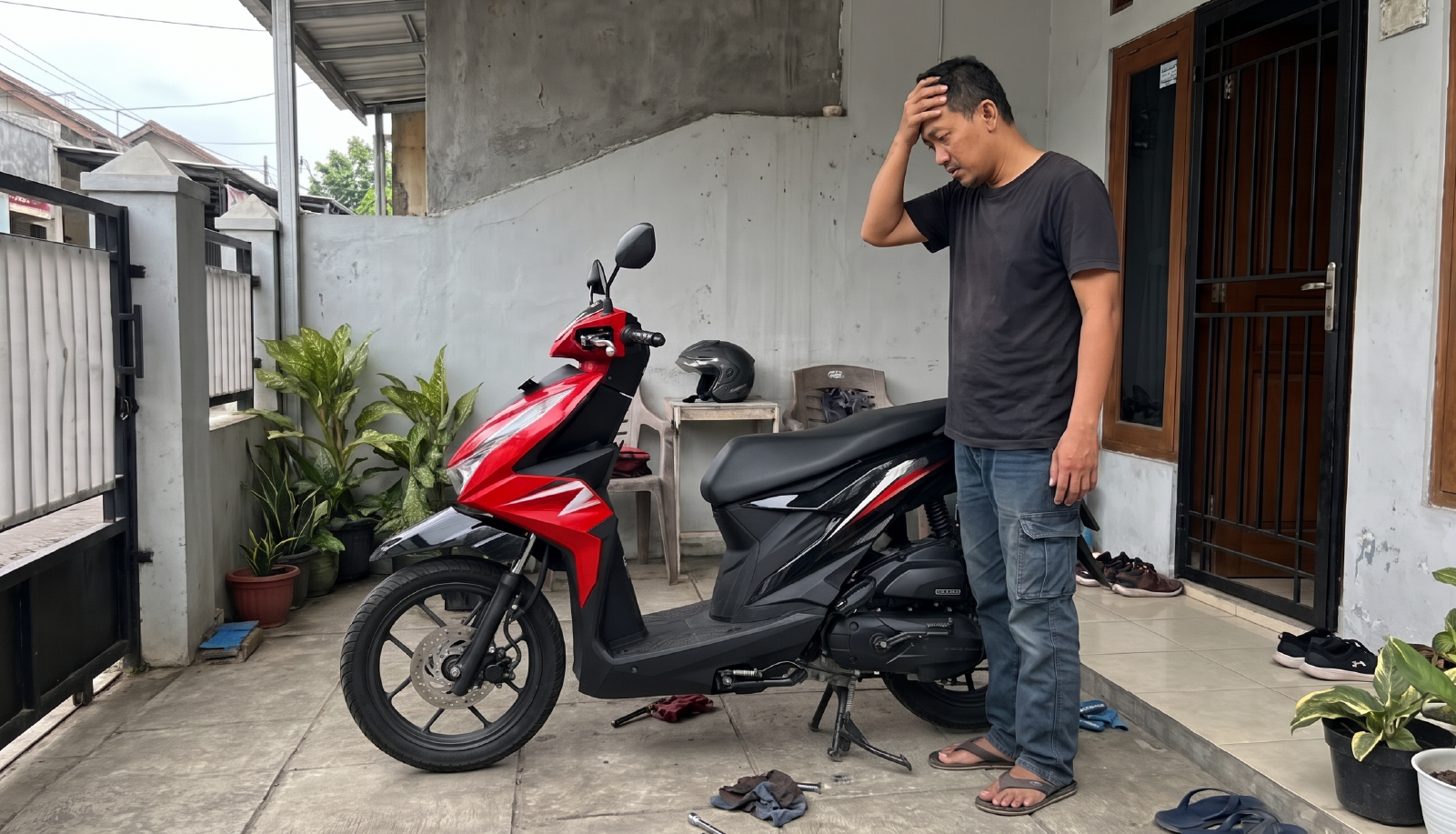
Common Mistakes Made by Automatic Motorcycle Riders
Are you riding your automatic scooter correctly? Without realizing it, you may develop habits such as twisting the throttle too abruptly, ignoring unusual noises or vibrations, or rarely checking the condition of the CVT system.
In this article, we will discuss common mistakes riders make when using automatic scooters and explore ways to ride and maintain them more effectively.
Riding Mistakes to Watch Out for on Automatic Motorcycles

1. Twisting the Throttle Too Abruptly
One common habit is twisting the throttle suddenly, especially when trying to accelerate quickly. This can cause the scooter’s response to change abruptly.
Instead, apply the throttle gradually and adjust it to the road conditions. More controlled riding habits also make it easier to adjust your speed to the surrounding environment.
2. Ignoring Changes in Noise and Vibration
A scooter may show signs of changes in its condition. Unusual noises, stronger-than-normal vibrations, or changes in acceleration response should not be ignored.
These symptoms do not necessarily indicate a problem with a specific component. An inspection is therefore necessary to identify the potentially affected parts before deciding on the next steps.
3. Neglecting CVT Maintenance
The CVT system consists of several components that work together to support the transmission mechanism. These include Weight Rollers, Piece Sliders, pulleys, the V-belt, and centrifugal clutch shoes.
Since each component has a different function and position, the condition of the CVT system should also be checked during routine servicing. Regular inspections can help identify changes or wear in individual components.
4. Riding Without Checking the Scooter’s Condition
Another common mistake is using a scooter without paying attention to its condition. Even minor changes, such as unusual noises, vibrations, or a different response when accelerating, may indicate that an inspection is needed.
Before riding, make it a habit to check your scooter’s basic condition. If something feels different, avoid pushing the scooter until the cause has been identified.
5. Delaying Inspections When Symptoms Appear
Waiting until a problem becomes more noticeable is not a good habit. When you notice changes in noise, vibration, or acceleration response, have the scooter inspected to determine its condition.
An inspection does not automatically mean that all components need to be replaced. A technician can assess the scooter’s condition and identify which parts, if any, require attention.
3 Ways to Ride an Automatic Scooter Properly While Using the Right Spare Parts
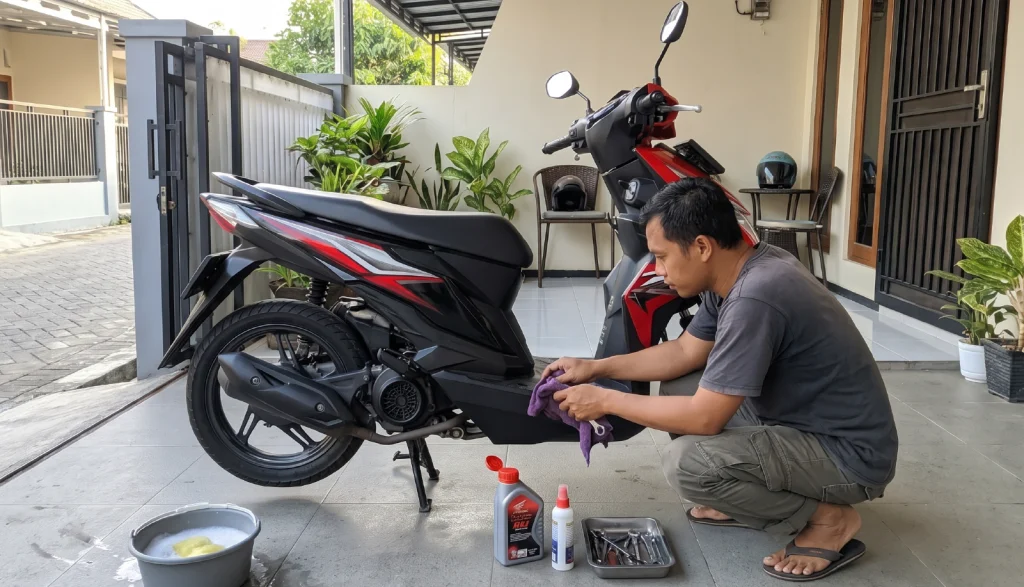
1. Apply the Throttle Gradually
Avoid twisting the throttle too abruptly. Make a habit of accelerating gradually and adjusting your speed to the road conditions for a more controlled ride.
2. Pay Attention to Changes in Your Scooter’s Condition
Do not ignore unusual noises, vibrations, or changes in how your scooter responds. If you notice any changes, have it inspected to determine the condition of the relevant components.
3. Inspect Regularly and Use the Right Spare Parts
Pay attention to the condition of the CVT system and components such as Weight Rollers, Piece Sliders, pulleys, and the V-belt during servicing. Make sure the spare parts you use meet your scooter’s specifications.
Properly riding an automatic scooter is not the only thing to consider. Spare part condition is also an important aspect of vehicle maintenance. Pay attention to unusual noises, vibrations, changes in riding response, and the condition of individual components.
If you notice any changes, have your scooter inspected and make sure the spare parts used meet its requirements.