
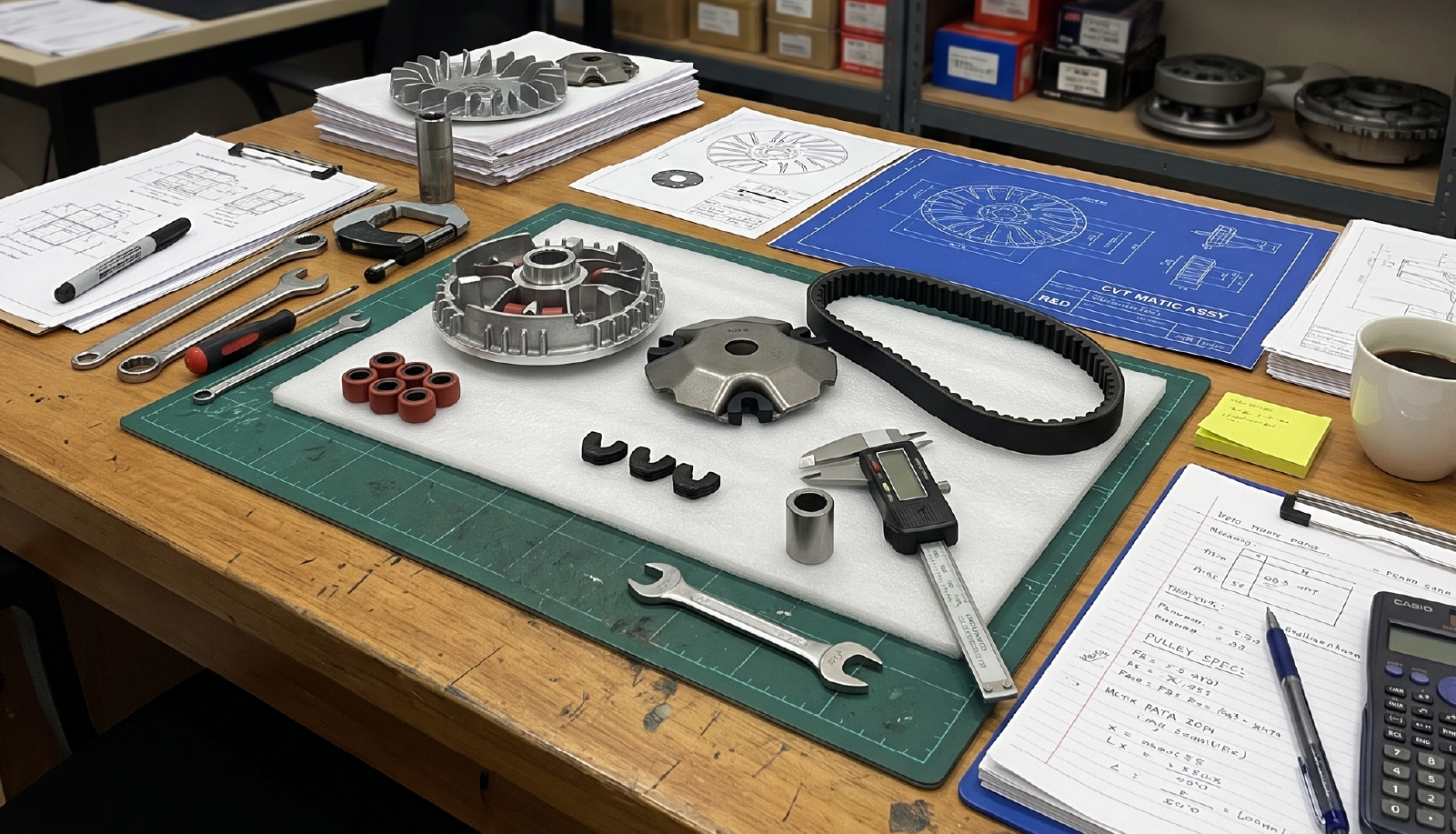
Do Spare Parts Need to Adapt to Motorcycle Changes?
Changes in vehicle models and requirements can affect the specifications of the components they use. Therefore, automotive spare parts development needs to adapt to application requirements and market developments to remain relevant.
Why Do Spare Parts Need to Keep Up with Vehicle Developments?
Vehicle updates may involve changes to designs, systems, or the requirements for specific components. These changes do not necessarily mean that all spare parts need to be replaced, but they may be a reason to reassess the compatibility of existing products.
Evaluation is necessary to determine whether available components remain relevant to their intended applications or require further adjustments. This allows product development to be based on actual needs rather than simply following market trends.
What Drives Automotive Spare Parts Development?
1. Changes in Application Requirements
Components need to be evaluated when changes occur in the applications or vehicle systems in which they are used. This information helps companies determine whether existing products remain suitable for the relevant requirements.
2. Product Portfolio Requirements
Companies also need to review their product portfolios regularly. These evaluations can help identify components that remain relevant, products that need updating, and new requirements that warrant further consideration.
3. Evolving Industry Needs
Requirements from business customers and industry partners can provide valuable input when determining product development priorities. This information helps companies understand which component needs should be prioritized without rushing into developing new products.
How Does the Industry Respond to Changing Component Requirements?
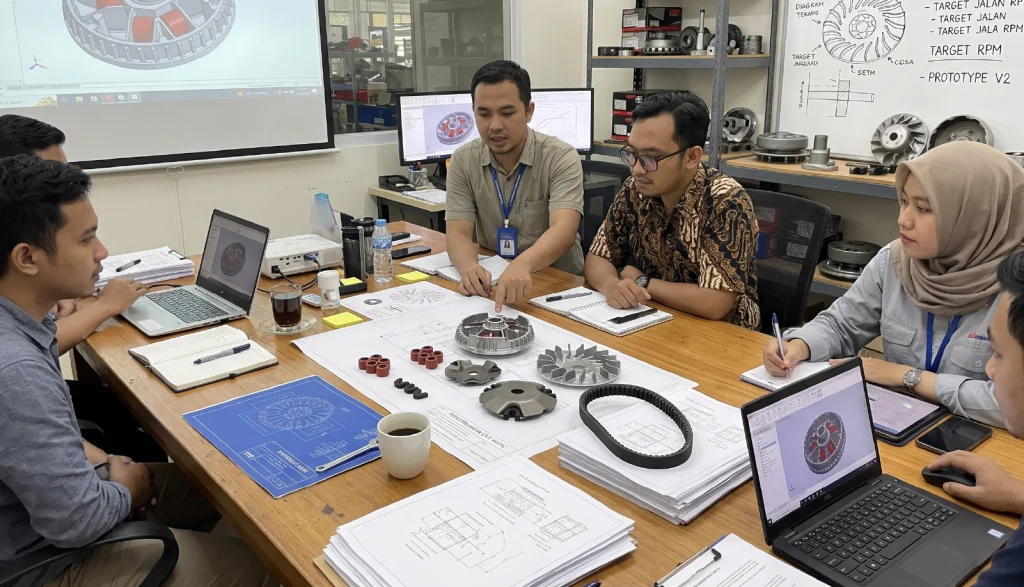
Product adaptation requires communication between parties who understand vehicle requirements and those responsible for manufacturing processes.
Brand owners can provide information about application requirements, while R&D teams evaluate the relevant technical aspects. Manufacturers can then provide input on production processes based on their available capabilities and facilities.
This coordination helps establish a shared understanding from the beginning. Every development decision should be supported by sufficient information so that the next steps can be determined in a structured manner.
The Role of Manufacturing in Spare Parts Development
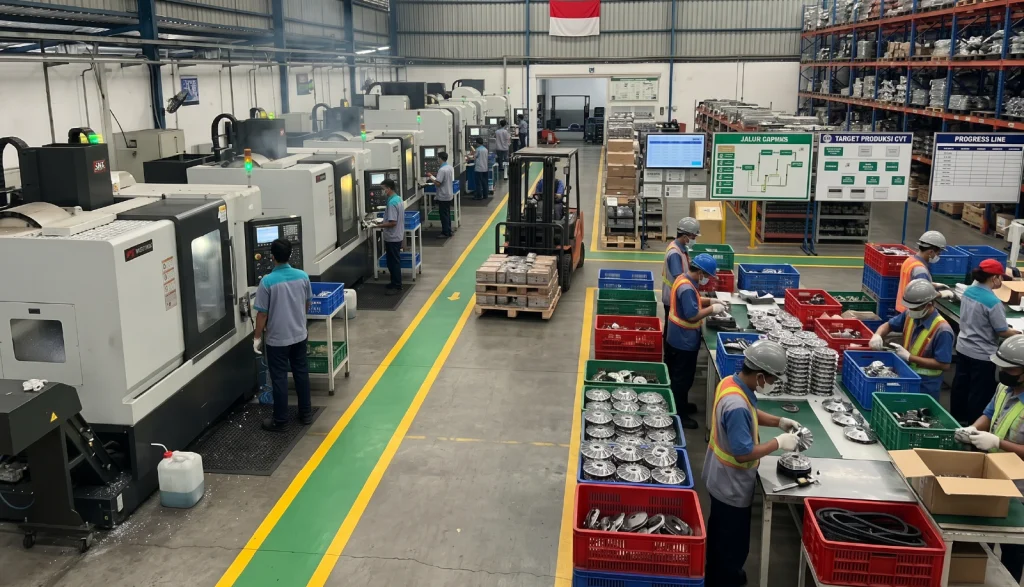
Manufacturers play an important role in connecting product requirements with production processes. In addition to considering component characteristics, companies need to understand whether their available processes are suitable for the required work.
Therefore, spare parts development involves more than just product ideas. It also requires communication and evaluation involving various parties. This approach helps companies consider product relevance as well as the readiness of their manufacturing processes.
For brand owners, R&D teams, and industry professionals, this approach helps keep product development focused and aligned with the needs it aims to address.