
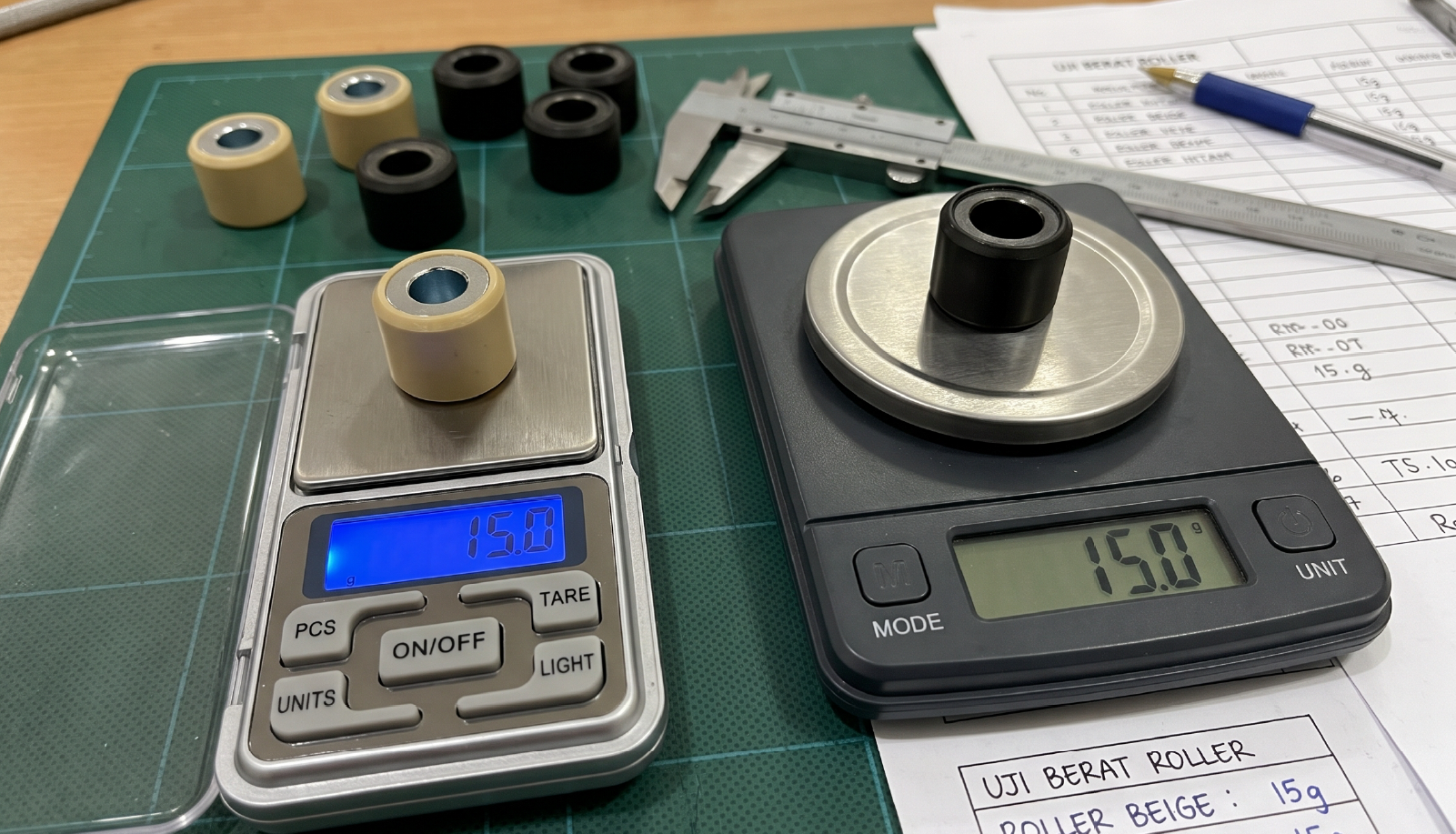
Myth or Fact: Does SparePart Weight Determine Condition?
Spare parts with the same weight do not necessarily have identical physical conditions and characteristics. In automotive component inspections, spare part weight can serve as an initial reference, but it is not sufficient to determine whether a product meets the required specifications.
Therefore, inspections need to consider several other aspects to ensure that quality assessments do not rely solely on weight measurements.
Same Spare Part Weight, Same Specifications?
Fact: Not necessarily. Spare parts may have the same measured weight but differ in shape, dimensions, surface condition, and compliance with specifications.
For example, spare parts with similar weights may not have identical measurements in every section. Differences in physical condition may also go unnoticed through weight measurements alone.
This makes weight measurement more appropriate as one part of the inspection process rather than the sole basis for determining whether a component is compliant.
Why Is Weight Not the Only Inspection Indicator?
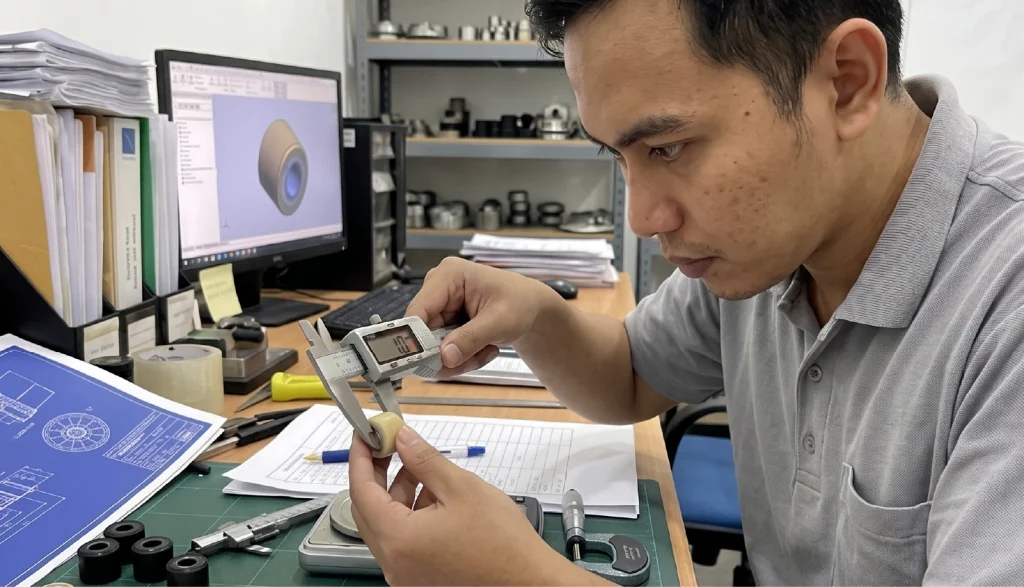
During spare parts inspections, several aspects need to be considered depending on the component type and the applicable specifications.
1. Component Shape and Dimensions
Shape and dimensions are important aspects to inspect because they relate to whether a component meets the specified requirements. The same weight does not automatically mean that all product dimensions are identical.
2. Surface Condition
Component surfaces can be inspected to identify conditions that may require further evaluation, such as scratches, uneven areas, or other visual inconsistencies.
Visual inspections should also be adjusted to the characteristics and requirements of each product.
3. Compliance with Specifications
Measurement results need to be compared against the applicable specifications or inspection criteria for the component. This ensures that assessments are not based solely on comparisons between two products but also refer to established requirements.
How Should Spare Part Weight Be Properly Inspected?
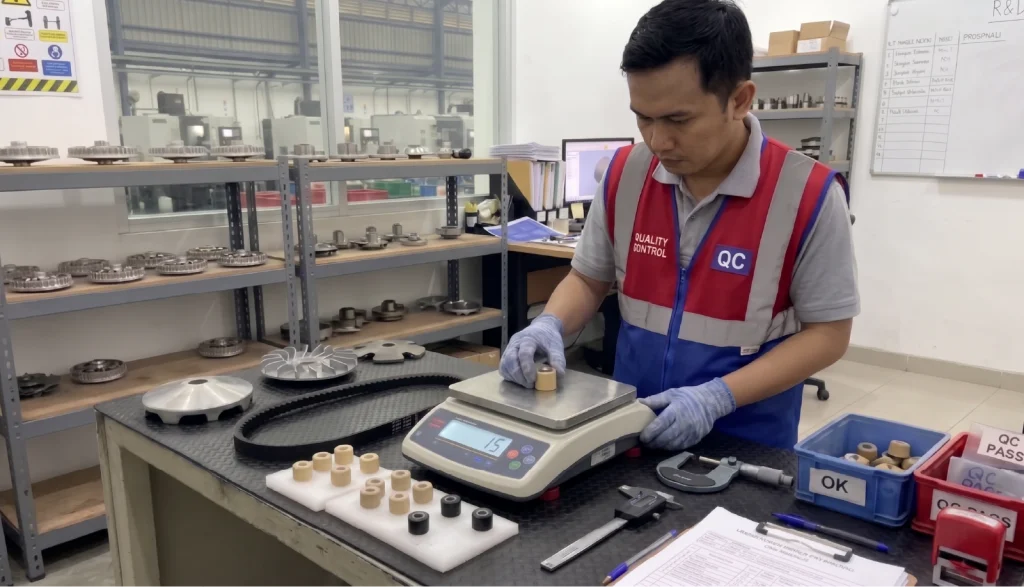
To make inspection results more useful, consider the following steps:
- Use appropriate measuring equipment based on the inspection requirements.
- Maintain consistent measurement methods so that results can be compared accurately.
- Record measurement results when necessary for inspection documentation.
- Inspect other relevant aspects, such as dimensions, shape, and surface condition.
- Evaluate results against specifications before determining component compliance.
These steps help make weight a more meaningful inspection reference rather than the sole indicator of product condition.
Understanding the inspection process and carrying out assessments based on comprehensive information are key to maintaining the quality of automotive components and ensuring they meet requirements.