
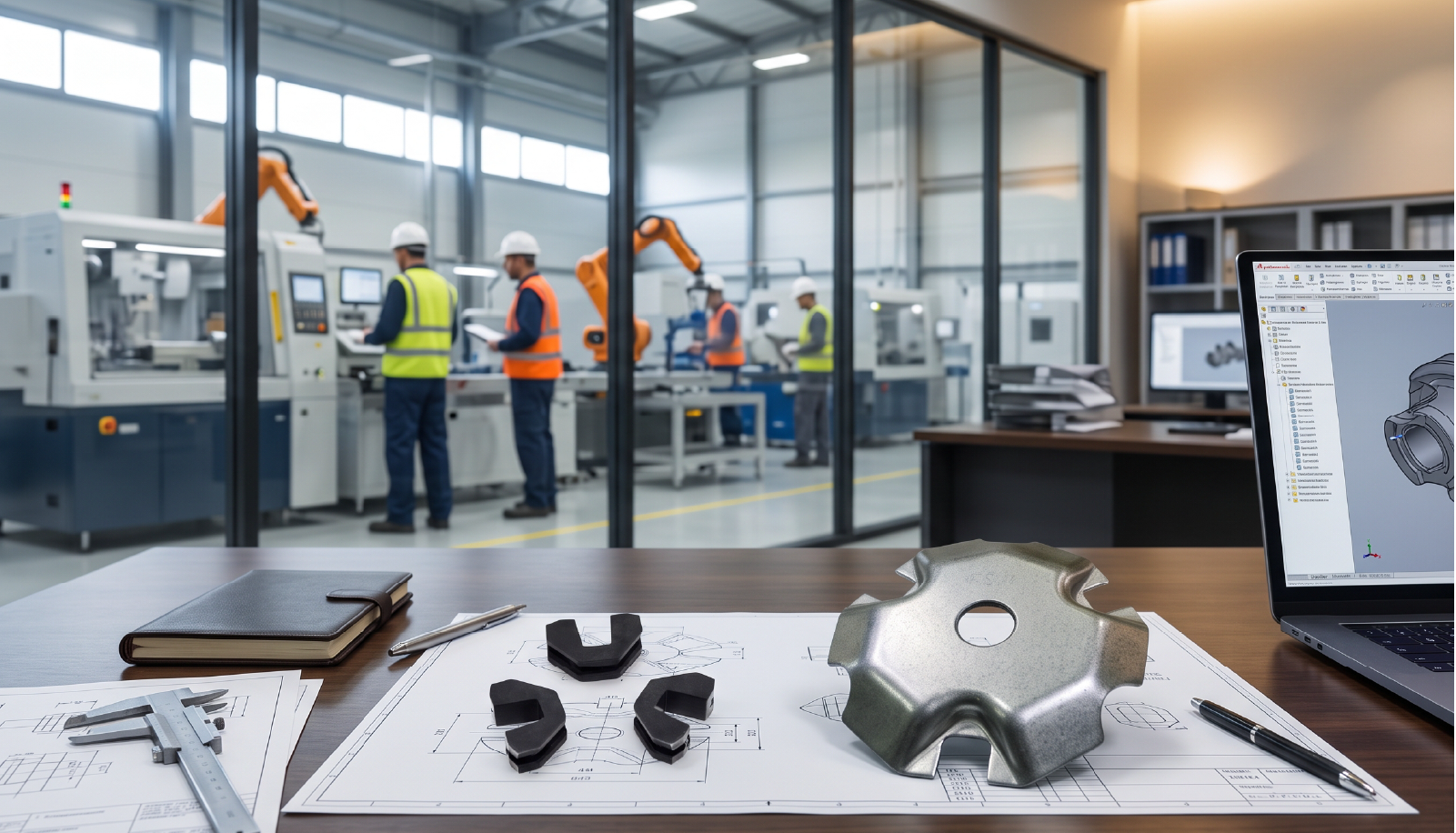
Piece Slider and Ramp Plate: Their Relationship CVT System
When inspecting the CVT system of an automatic motorcycle, several small components around the primary pulley also need to be considered. Two of these components are the Piece Slider and Ramp Plate. Both are part of the primary pulley mechanism and work together with other CVT components.
Understanding the Piece Slider and Ramp Plate is important for motorcycle owners and technicians so that inspections do not focus only on larger components. The condition of smaller components can also be part of the inspection when the CVT is disassembled.
Understanding the Piece Slider and Ramp Plate
The Piece Slider is a component located within the primary pulley mechanism and is associated with the movement of components around the roller housing area. It helps keep the mechanism’s movement properly guided.
The Ramp Plate, meanwhile, is part of the primary pulley mechanism and is associated with the roller housing and Weight Roller. The position and shape of the component may vary depending on the CVT design of the vehicle.
Both components are part of the same mechanism, so either component can be inspected together with the other CVT components.
Functions of the Piece Slider and Ramp Plate in the CVT Mechanism
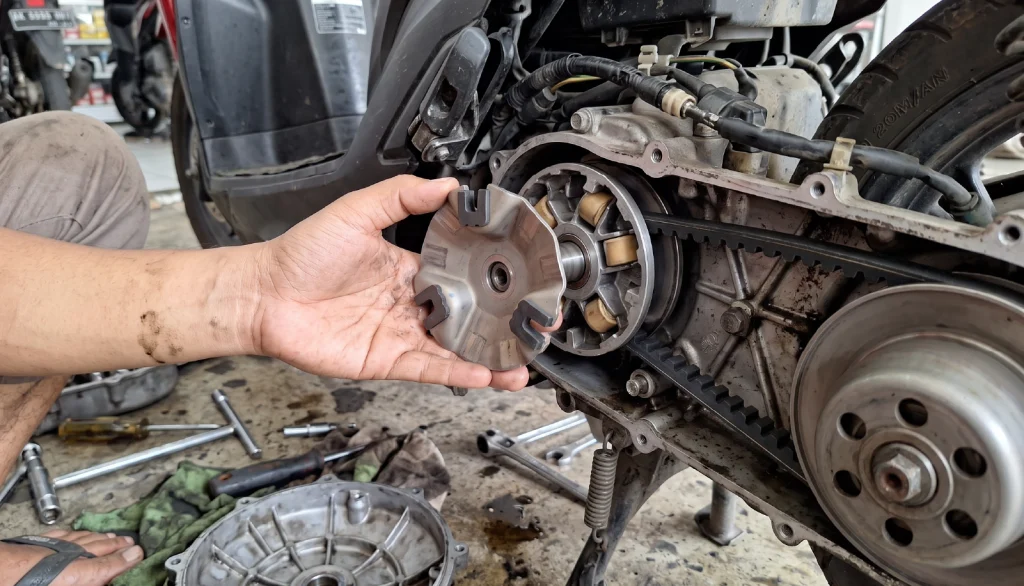
The Piece Slider and Ramp Plate are part of the primary pulley mechanism and work together with other CVT components. Each has a different function in supporting the movement of the pulley mechanism.
Function of the Piece Slider
The Piece Slider helps keep the Ramp Plate movement properly guided within the primary pulley mechanism. It supports the movement of the Ramp Plate as the CVT mechanism operates.
Function of the Ramp Plate
The Ramp Plate is part of the primary pulley mechanism associated with the Weight Roller. As engine speed changes, the movement of the Weight Roller interacts with the Ramp Plate mechanism, allowing the pulley position to adjust according to the operating conditions of the CVT.
The Role of the Ramp Plate in the CVT System
The Ramp Plate is part of the mechanism that accommodates and interacts with the movement of the Weight Roller within the primary pulley. As the CVT operates, these components move according to the design of the system.
The condition of the Ramp Plate should also be considered when the CVT is disassembled. An inspection may look for signs of friction, wear, physical damage, or other unusual changes in condition.
The Relationship Between the Piece Slider and Ramp Plate in the CVT
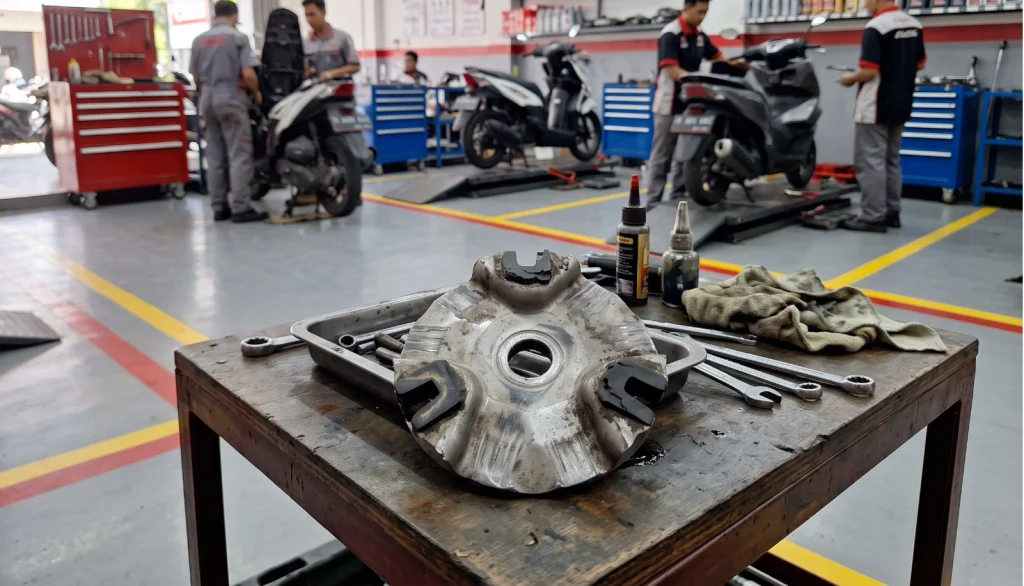
The relationship between the Piece Slider and Ramp Plate can be understood by looking at how both components are part of the same primary pulley mechanism. The Piece Slider helps guide the movement of the mechanism, while the Ramp Plate is part of the mechanism associated with the Weight Roller and pulley.
Because these components work within an interconnected mechanism, their conditions should not be inspected in isolation. If a change in the condition of the Piece Slider is found, the technician can also inspect the Ramp Plate and other surrounding CVT components.
A comprehensive inspection can provide a clearer picture of the condition of the primary pulley mechanism.
Conditions to Look Out For
When the CVT is disassembled, several conditions that may require attention include:
- The surface of the Piece Slider or Ramp Plate appears worn.
- Unusual friction marks are visible.
- The shape of a component has changed.
- Physical damage is found.
- Unusual sounds or changes in CVT response occur while the vehicle is being used.
However, these conditions do not necessarily indicate a problem with the Piece Slider or Ramp Plate. Components such as the Weight Roller, roller housing, pulley, and V-Belt should also be inspected to assess the condition of the CVT system as a whole. Regular inspections can help keep the condition of CVT components properly monitored.
Understanding the relationship between the Piece Slider and Ramp Plate can help motorcycle owners and technicians better recognize the roles of these two components within the CVT mechanism. Maintaining components in good condition is also important to support proper CVT inspection and maintenance.