
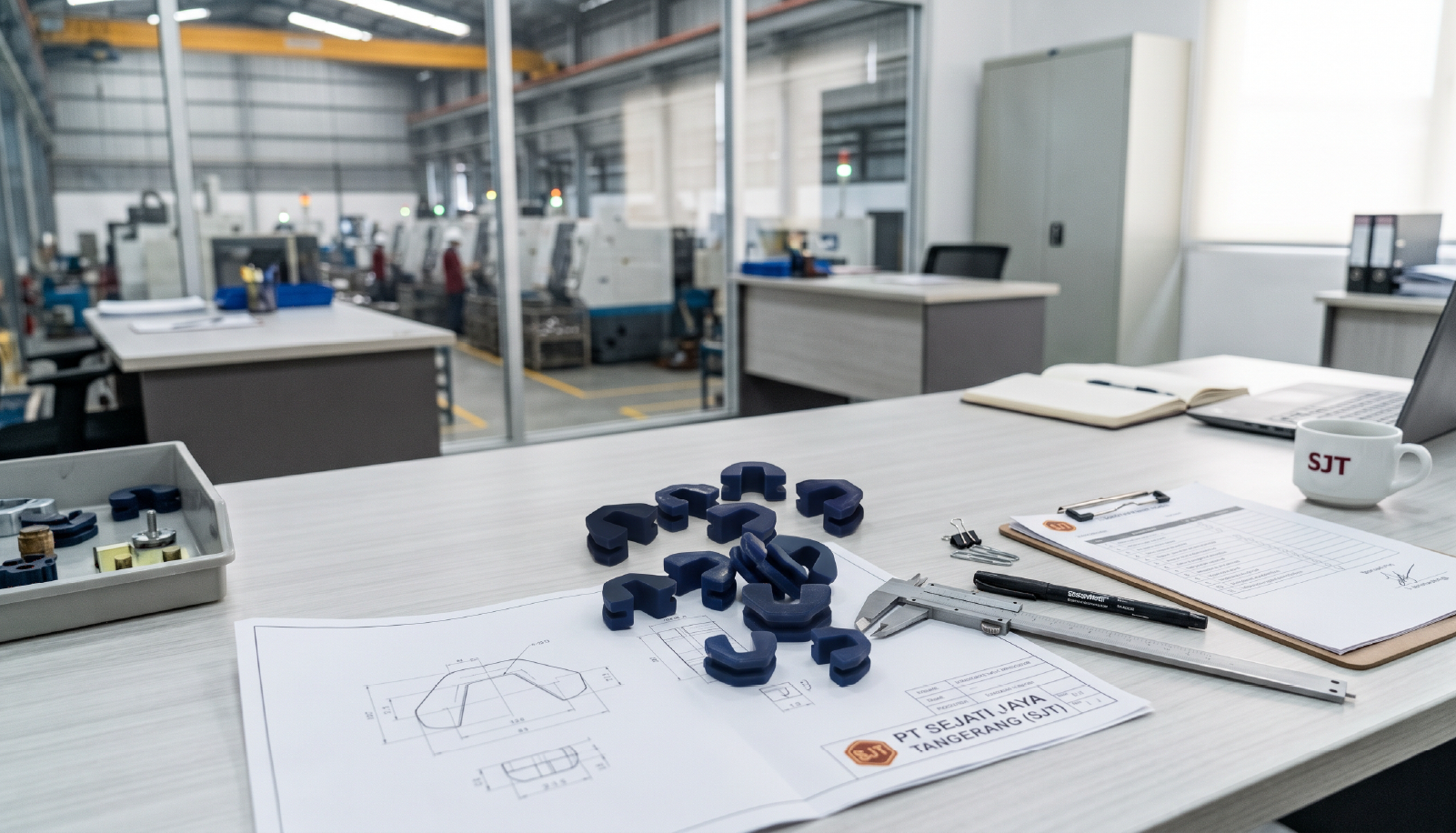
Piece Slider Production Process: Stages Spare Parts Industry
In the automotive spare-parts industry, each product requires a manufacturing process that is tailored to its specific characteristics. In Piece Slider production, the processing and control stages need to be carefully managed to ensure that the components meet the required specifications.
Monitoring throughout the production process helps maintain product consistency, not only in the final output. For manufacturers, distributors, and purchasing teams, understanding how Piece Sliders are produced can provide a clearer view of how components are manufactured and controlled within the automotive industry.
Piece Slider Production Flow in the Spare-Parts Industry
Every manufacturing process has a workflow that is adjusted to the requirements of the product. In Piece Slider production, the process may begin with production planning, followed by component processing, process monitoring, and result evaluation.
This approach means that production is not focused solely on the quantity of products manufactured but also takes into account the condition of the components throughout the process.
Key Considerations in Piece Slider Production
1. Understanding Production Requirements
Before production begins, the product requirements need to be clearly understood. These requirements relate to the type of component being produced, the processing needs, and its intended application.
Clear planning helps ensure that the manufacturing process is carried out in a more structured manner and reduces the risk of differences between the required specifications and the production results.
2. Process Setup and Processing
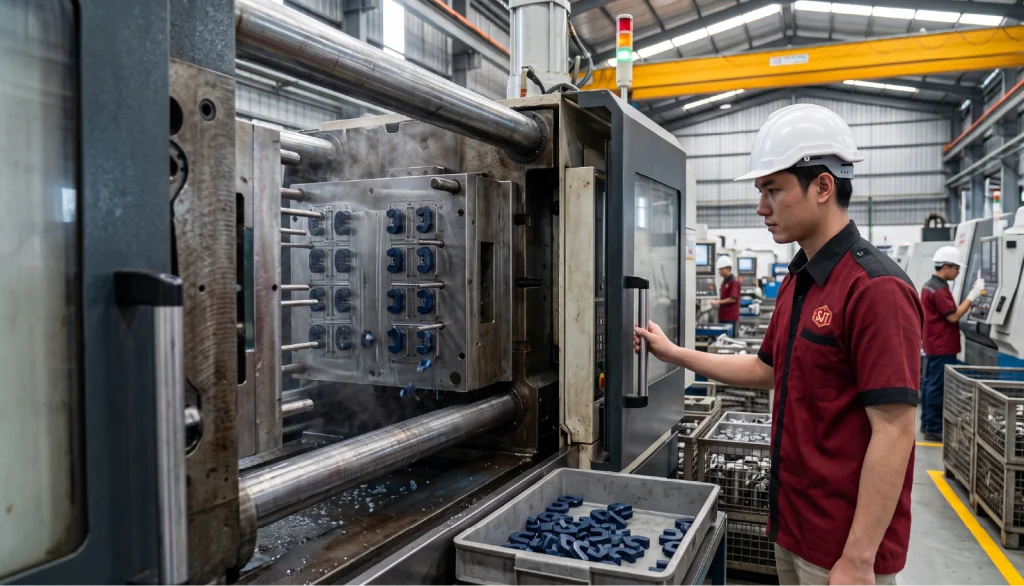
The processing stage is carried out by selecting manufacturing methods based on the characteristics of the product. Each process needs to be controlled to ensure that production follows the established workflow.
At PT. Sejati Jaya Tangerang, manufacturing activities include Plastic Injection and CNC Lathe/Milling processes to support various spare-part production requirements. The use of each process is adjusted to the characteristics of the respective product.
3. In-Process Control
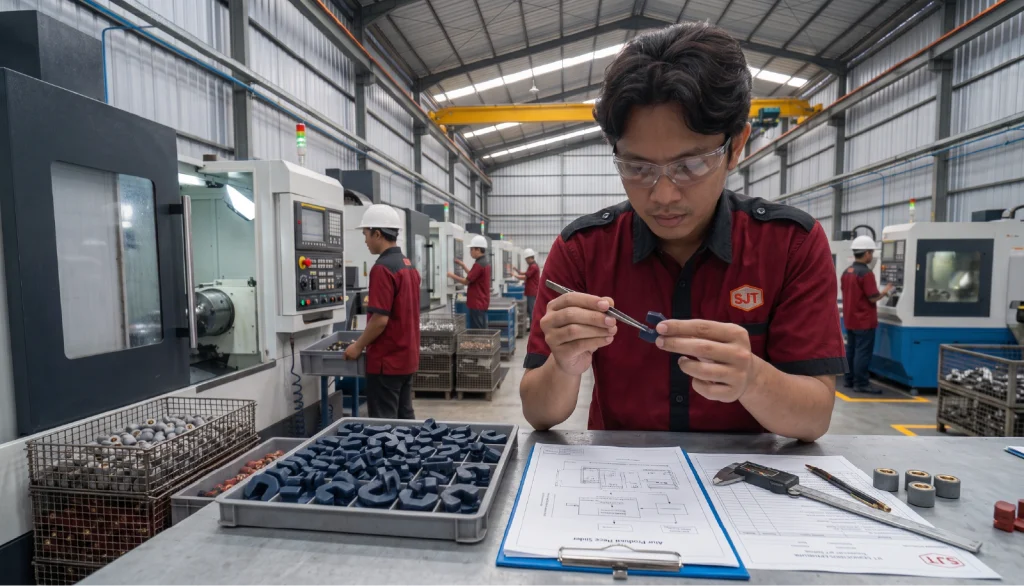
Process control is carried out to monitor production conditions before the product reaches the final stage. Inspections at specific points can help identify conditions that may require attention at an earlier stage.
This allows the production process to be evaluated based on the results obtained during processing, rather than only after the entire process has been completed.
4. Product Condition Evaluation
As processing progresses, the condition of the product needs to be evaluated according to quality-control requirements. Inspections can form part of the process to help ensure that production results remain within the expected condition.
This stage also provides information about the consistency of the results achieved through the manufacturing process.
Why Is Process Control Important?
In spare-parts manufacturing, repetitive production processes require consistent control. Changes in the process can affect the resulting products, making continuous monitoring an important part of production activities.
For Piece Slider production, process control helps the company monitor product conditions over time. It also provides insight for parties requiring products in specific quantities into the importance of maintaining consistency throughout the production process.
Considerations When Choosing Piece Sliders for B2B Requirements
For B2B requirements, selecting Piece Sliders is not simply about finding products that are available. Distributors, spare-parts retailers, workshops, purchasing teams, and prospective business partners need to consider whether the selected products meet their procurement and application requirements.
Several factors to consider include:
- Product suitability for business requirements, including the required application and specifications.
- Production consistency, so that the products supplied can meet procurement requirements consistently.
- Production capacity, particularly when products are needed for distribution, resale, or operational purposes.
- Clear product information, allowing purchasing teams and prospective partners to understand the product before determining their requirements.
- Effective communication, as B2B requirements often involve discussions about products, procurement, and coordination between both parties.
Therefore, selecting Piece Sliders for business requirements should involve more than simply considering price and availability. Product suitability and procurement requirements should also be taken into account.