
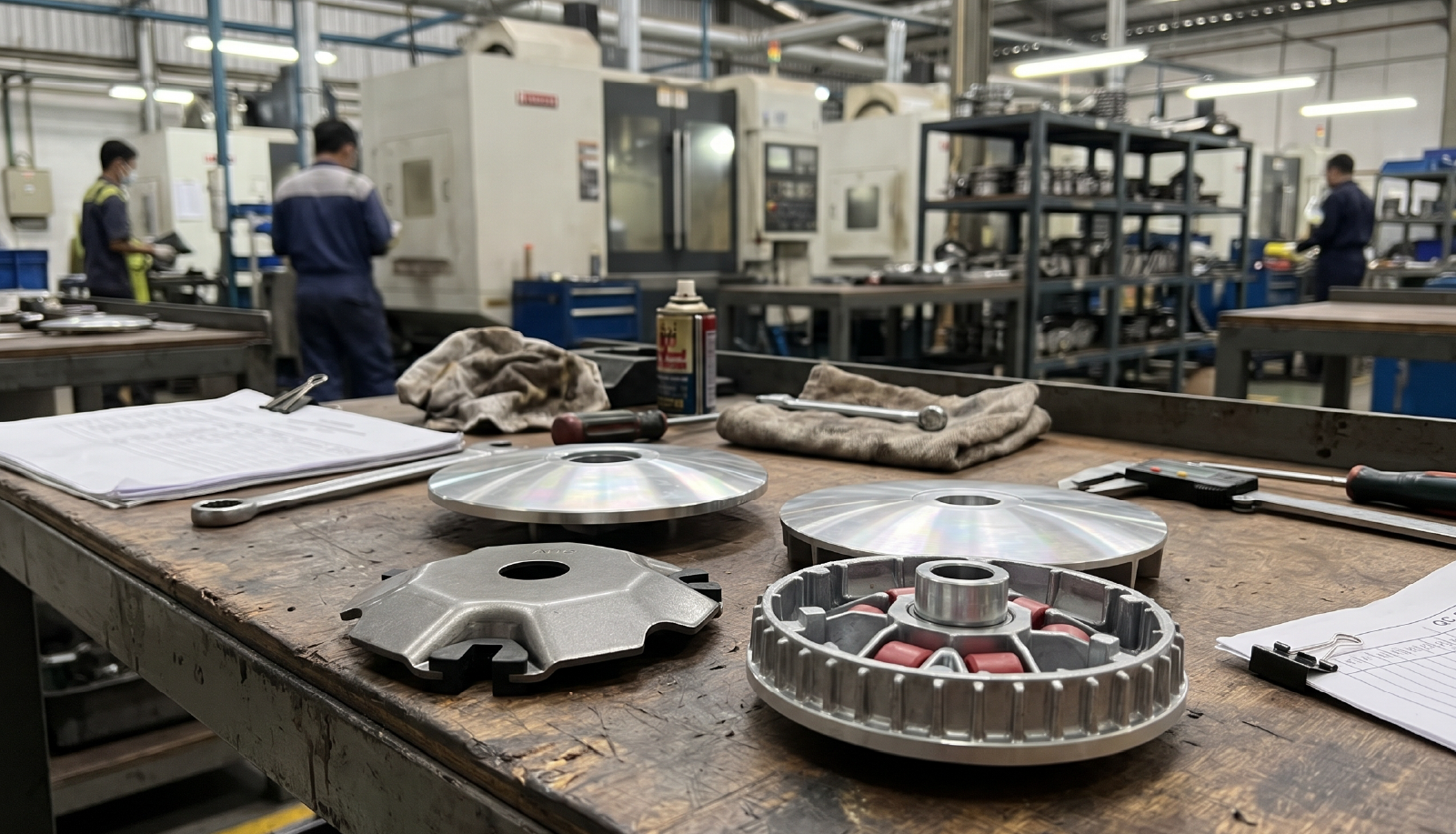
Specific Spare Part Requirements? Recognize the Evaluation Process
Having specific component requirements means needing clear information from the outset. However, established specifications may not always be ready to serve as the basis for the next steps. Evaluation is an important stage in ensuring that product information is understood consistently by all parties involved. This allows the requirements to be discussed in a more structured way before proceeding to the next stage.
Why Do Specifications Need to Be Evaluated?
Automotive spare part specifications are among the key pieces of information used when discussing product requirements. These details need to be reviewed to ensure that nothing is unclear or could lead to differences in understanding.
Evaluation does not mean making immediate changes to the specifications. Instead, this stage focuses on determining whether the product requirements are clearly understood and whether any additional information needs to be discussed.
What Should Be Reviewed in the Specifications?
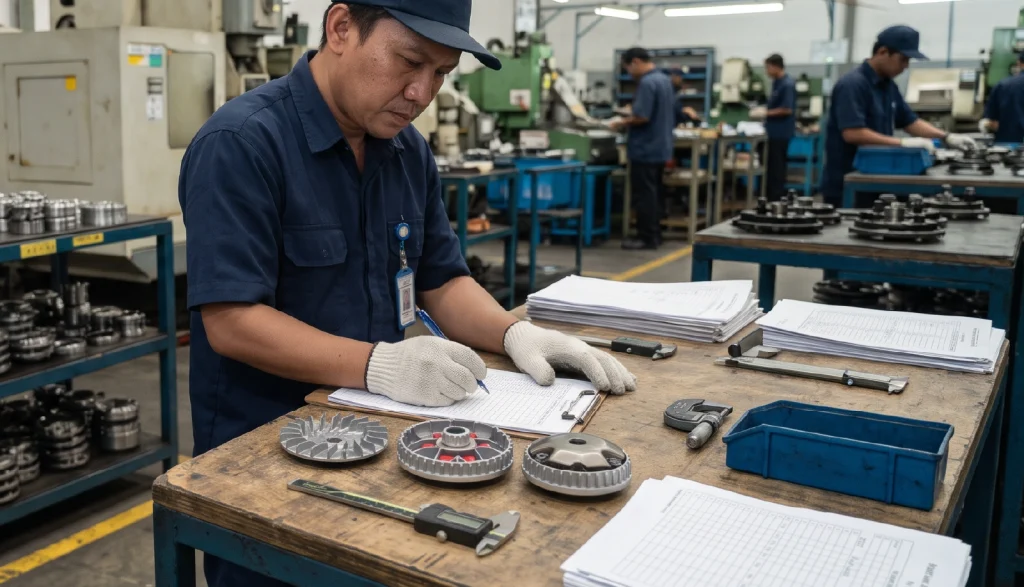
Not all information needs to be discussed at the same level of detail. The following aspects can serve as starting points for the evaluation:
1. Shape and Dimensions
Information about the shape and dimensions needs to be clearly communicated so that all parties involved have the same understanding of the required component.
2. Product Function
The intended use of the component also needs to be understood. Information about its function helps explain the product requirements from an application perspective.
3. Component Application
It is important to identify the intended application of the component. This information can help guide discussions about whether the product meets the required needs.
4. Special Requirements
If there are specific characteristics or requirements, they should be communicated from the beginning so they can be taken into consideration during discussions.
How Are Specifications Evaluated Before Production?
In general, the process of evaluating spare part specifications before production can involve several stages.
First, understand the product requirements. The team needs to understand the main purpose and requirements of the component to be developed.
Second, review the available information. The provided specifications are examined to determine whether the essential information is available and clearly understood.
Third, clarify any outstanding details. If certain aspects remain unclear, the product owner and manufacturing partner can discuss them further.
Fourth, assess compatibility with manufacturing requirements. The information that has been discussed can then serve as a basis for consideration before moving on to the next stage.
Fifth, confirm that the information is ready for use. Once any unclear points have been addressed, the specifications can be used as a basis for proceeding with the next steps according to the development requirements.
Specification Evaluation Supports Communication Between Brand Owners and R&D Teams
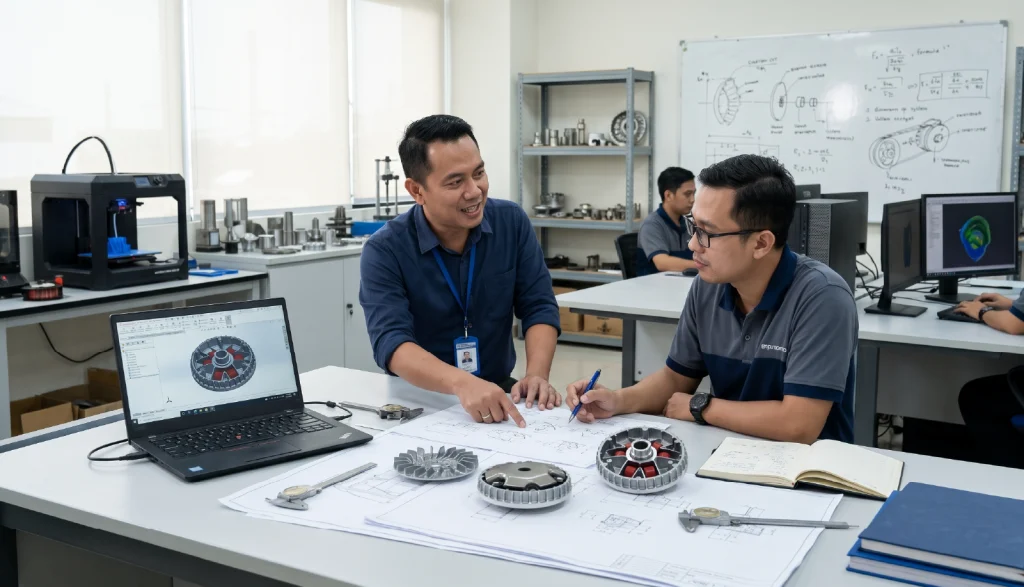
Specification evaluation is not only related to technical aspects. Communication also plays an important role in product development projects.
Brand owners can communicate product requirements in a more structured way, while R&D teams can help clarify information that still needs to be reviewed. Meanwhile, manufacturing partners can gain an understanding of these requirements before discussing the next stages.
Establishing a shared understanding from the beginning helps make product discussions more focused.
Have specific automotive spare part requirements? Contact PT Sejati Jaya Tangerang to learn more about our products and manufacturing activities based on your needs.