
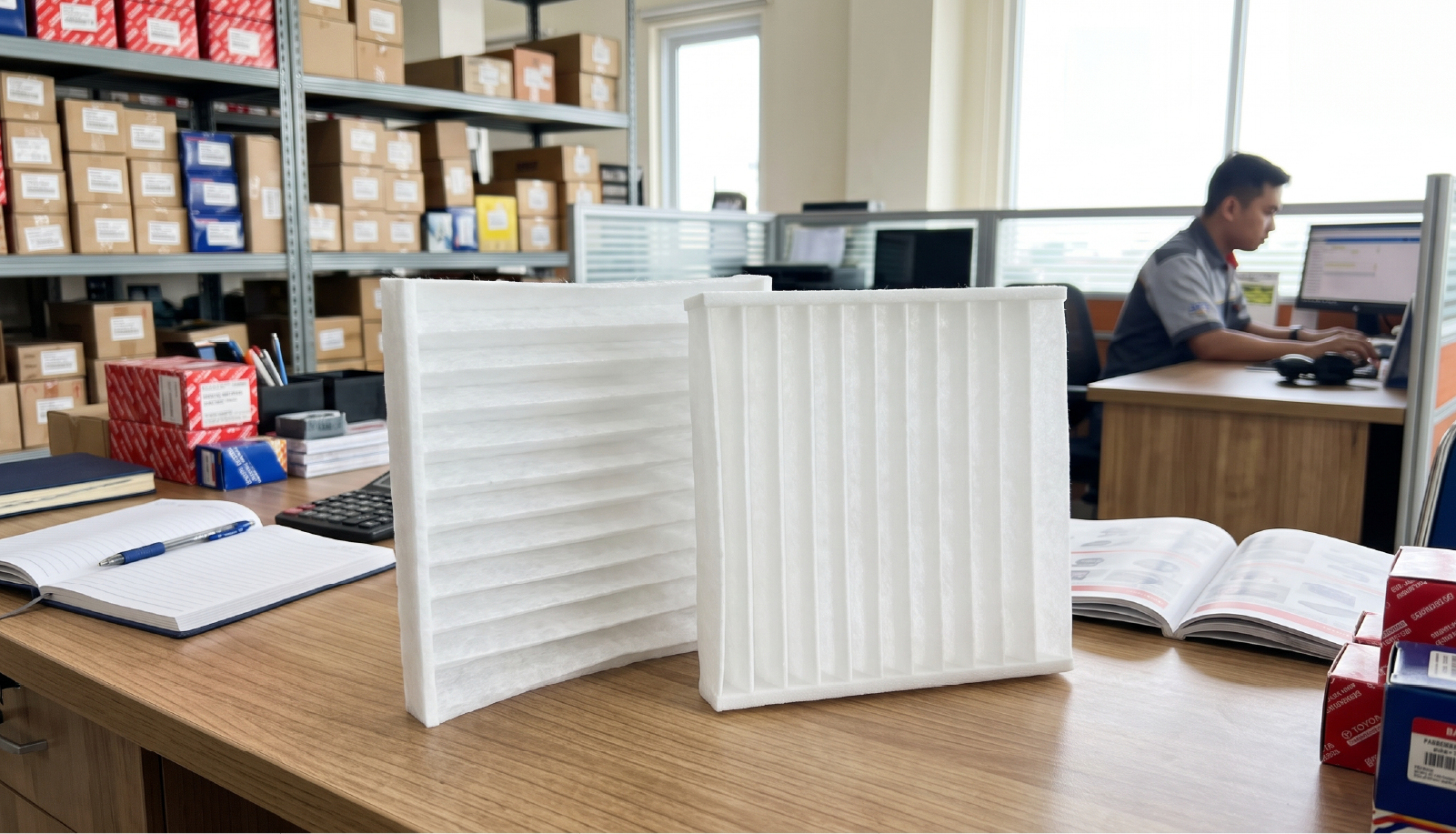
Understanding Cabin Air Filters with a Biofunctional Layer
The growing demand for in-vehicle air comfort has driven the continued development of cabin air filter technology. Filters are no longer viewed solely as components that trap dust. Increasing attention is also being given to other types of contaminants that may enter the vehicle through its ventilation system.
One feature worth understanding is the biofunctional layer. This technology provides an additional function to the filter media, particularly by helping bind allergens and inhibit the growth of microorganisms on certain filter media surfaces. For distributors, repair shops, and spare parts retailers, understanding this feature can help them explain the product’s value to customers.
What Makes a Biofunctional Layer Different?
A biofunctional layer is an additional treatment applied to filter media to provide functions beyond conventional particle filtration. In certain filter technologies, this layer helps capture or bind allergens and inhibit the growth of bacteria and fungi on the filter media.
This feature does not replace the primary function of the filtration media. Instead, the biofunctional layer serves as an additional feature that complements the air filtration process before air enters the vehicle cabin.
With this feature, cabin air filters offer a broader approach to filtration. The discussion is not limited to the particles being trapped but also includes how the filter media is designed to address certain biological contaminants.
Understanding the Combination of Technologies in Cabin Air Filters
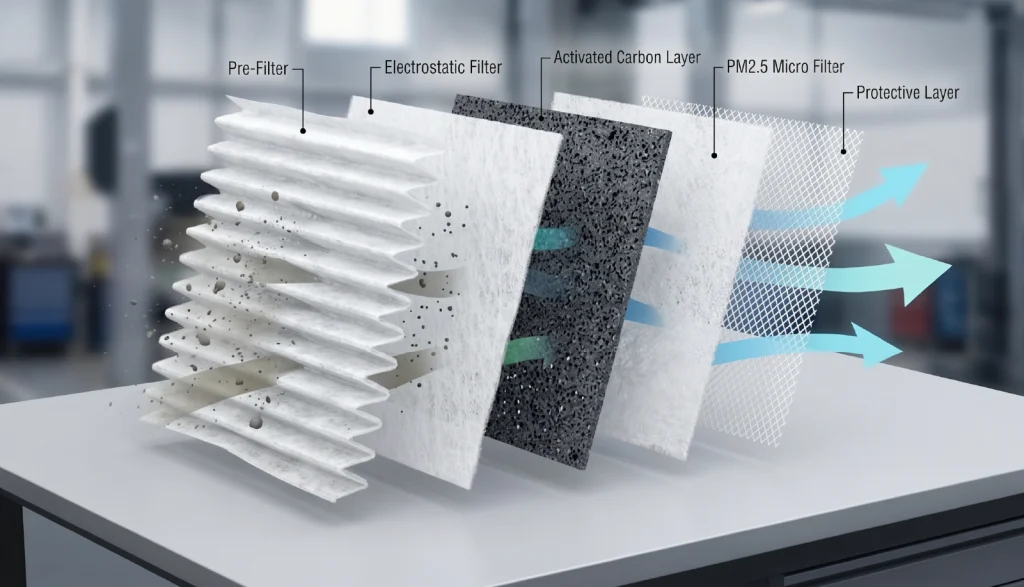
Each layer in a cabin air filter may serve a different purpose, depending on the product design. In multilayer filter technology, several functions can be combined in a single filter media.
1. Particle Filtration
The filter media helps trap particles such as dust and pollen carried by air from outside the vehicle. This is a fundamental stage in the cabin air filtration process.
2. Biofunctional Layer
This additional layer is designed to help bind allergens and inhibit the growth of bacteria and fungi on the filter media. Its effectiveness depends on the technology, formulation, and relevant product test results.
3. Activated Carbon
In filter variants equipped with activated carbon, this layer can help absorb odors and certain gases. However, the presence of activated carbon should be confirmed based on the specifications of each product variant.
Why Is This Feature Relevant to Distributors and Repair Shops?
For spare parts businesses, understanding product features is an important part of providing customers with accurate information. A biofunctional layer can be introduced as an added product feature when customers are looking for cabin air filters that offer more than conventional particle filtration.
Distributors can use this information to broaden customers’ understanding of available product options. Meanwhile, repair shops can explain filter characteristics based on vehicle requirements and the specifications of the recommended product.
Spare parts retailers can also provide more targeted information. By understanding the different functions of each layer, they can explain not only the product name but also the technology used.
Getting to Know Kenso Cabin Air Filters
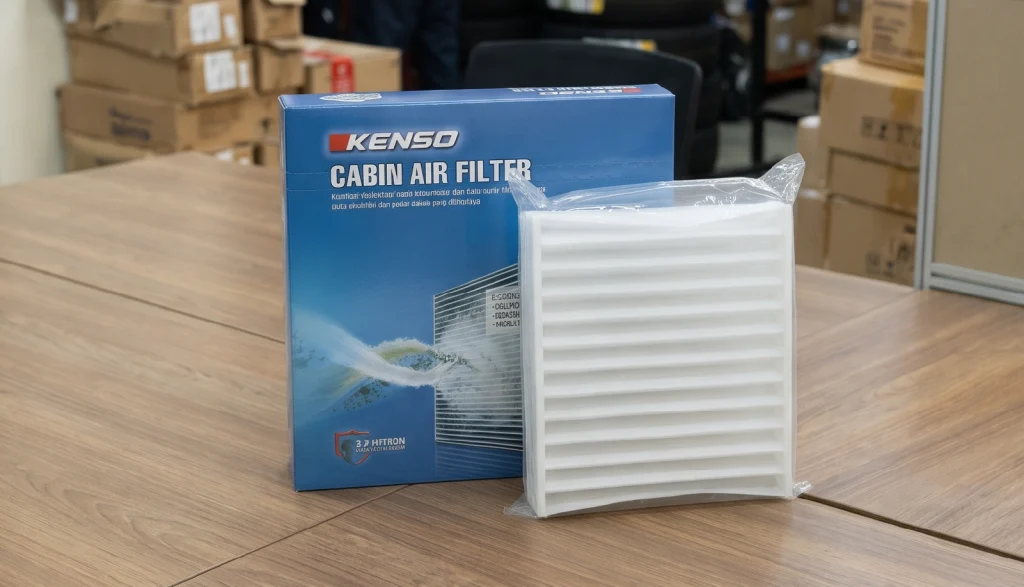
Kenso cabin air filters are among the products that can be introduced when discussing cabin air filtration technology. The biofunctional layer and the characteristics of the filter media are relevant features for spare parts businesses to understand.
When providing product information, distributors, repair shops, and spare parts retailers should consider the appropriate product variant and specifications. Make sure that information about product features, vehicle applications, and product characteristics is based on the available product data.