

Understanding the Product Lifecycle in Automotive SpareParts Development
Developing automotive spare parts does not end when a product is manufactured. Companies also need to understand market needs, assess product readiness, plan launches, and evaluate market acceptance once products become available. Each of these stages plays a role in determining how a product is managed.
This is where the spare parts product lifecycle becomes a relevant concept. By understanding a product’s journey from the planning stage through to market evaluation, product development teams, management teams, and brand owners can establish a more structured basis for setting development priorities.
What Is the Spare Parts Product Lifecycle?
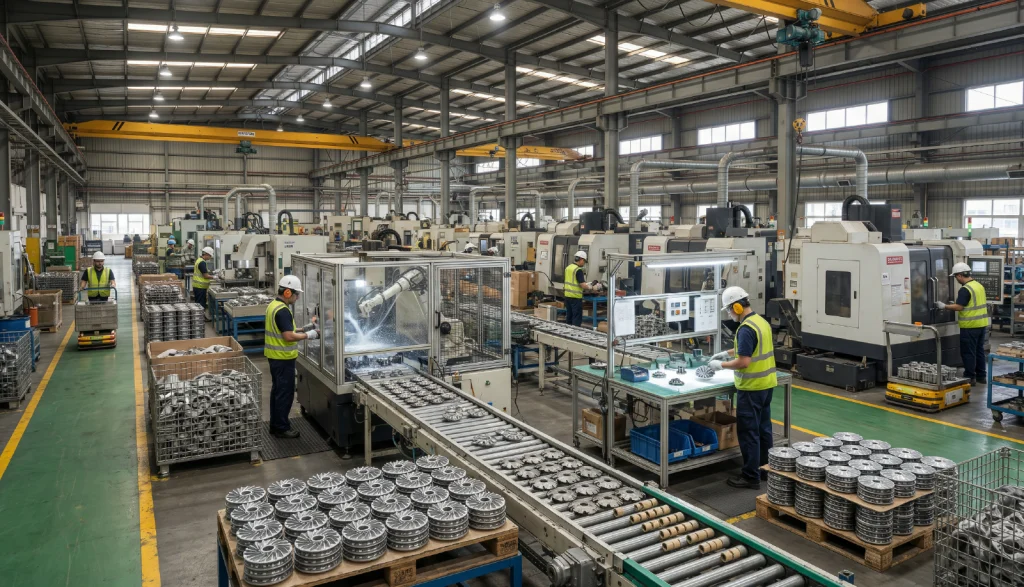
The product lifecycle refers to the journey of a product through its development, market introduction, evaluation, and ongoing management. In the automotive spare parts industry, this concept can help companies understand changing customer needs and determine appropriate actions at each product stage.
Its implementation is not necessarily the same for every company. The development process can be adjusted based on the component type, market needs, product complexity, and manufacturing readiness.
Stages of the Product Lifecycle in Automotive Spare Parts Development
1. Identifying Market Needs
The initial stage begins with understanding customer needs and market opportunities. Companies can study automotive trends, distributor requirements, feedback from brand owners, and information about the components in demand.
The findings provide a basis for determining whether a product idea is worth pursuing. With clear planning, companies can direct development toward relevant market needs.
2. Product Planning and Development
Once the needs have been identified, the next stage involves developing the product concept and defining its requirements. Considerations may include component functions, target users, required specifications, and potential manufacturing processes.
Coordination between development teams, production teams, and other relevant parties is also important to ensure that product requirements are clearly understood before moving to the next stage.
3. Evaluation and Validation
Before a product is introduced to the market, companies need to evaluate whether it meets the established requirements. Inspection and validation methods are determined by the component’s characteristics and development requirements.
This stage helps identify aspects that may need improvement before the product proceeds to production readiness or launch.
4. Production Preparation and Product Launch
Once a product meets the established requirements, attention shifts to production readiness and product introduction planning. Coordination involving documentation, production requirements, product information, and marketing strategies can help ensure a more structured process.
For brand owners and management teams, this stage also provides an opportunity to align product readiness with business needs.
5. Evaluation After Product Introduction
The product lifecycle does not necessarily end when a product enters the market. Customer feedback, changing market needs, and industry developments can provide valuable input for evaluating the next steps.
Evaluation results can be used to determine whether to maintain a product, make improvements, or plan further development based on business needs.
Why Is the Product Lifecycle Important for Automotive Companies?

Understanding the stages of the product lifecycle helps companies view products holistically rather than focusing solely on production. This concept can support several areas, including:
- Product planning: Helps establish priorities based on market needs.
- Cross-functional coordination: Aligns development, production, and marketing requirements.
- Portfolio management: Helps assess the relevance of the products being offered.
- Continuous evaluation: Provides a basis for considering future product development.
For companies in the automotive components industry, understanding the product lifecycle offers a way to examine the relationship between market needs, product development, and manufacturing activities. Every development decision should still be tailored to the specific needs and requirements of the product concerned.
The spare parts product lifecycle helps companies understand a product’s journey, from identifying market needs and product development to evaluation, production preparation, and post-launch assessment. Each stage plays a role in supporting more structured product planning.