
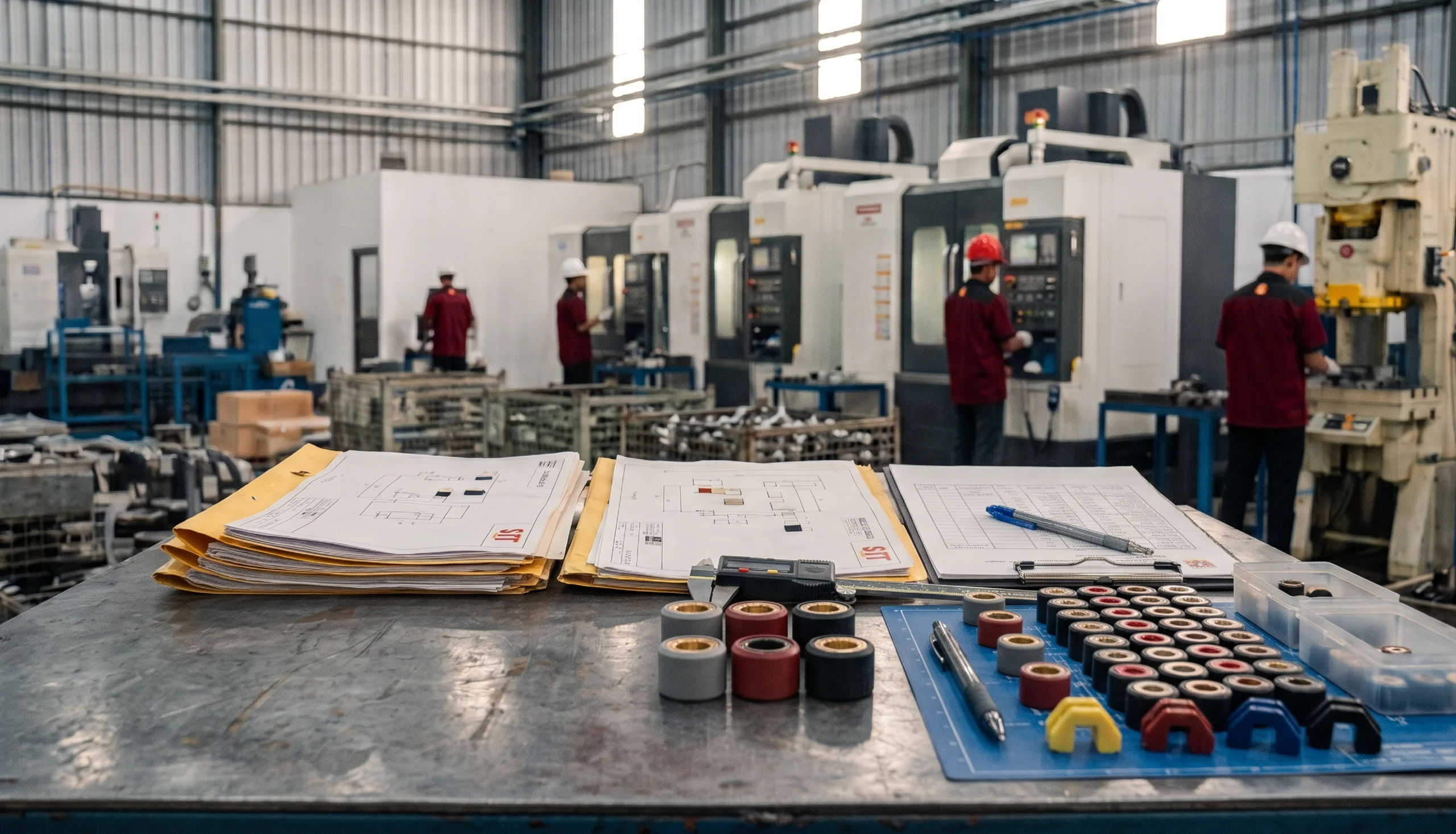
Weight Roller Production Process for Automotive Applications
In automotive spare-parts manufacturing, Weight Roller production involves several stages, from material preparation and processing to quality inspections, to help maintain consistent production results.
Understanding the Weight Roller manufacturing process can help manufacturers, distributors, and purchasing teams understand how the component is processed until it is ready for use, while also providing useful considerations when selecting a supplier.
Weight Roller Production Stages
In general, Weight Roller production can be divided into several main stages, including material preparation, processing, in-process inspection, Quality Control, and final product inspection. Each stage is carried out in sequence to help ensure that the production process meets the required needs.
Here is an overview of the Weight Roller production process for automotive applications:
1. Material Preparation
The initial stage begins with preparing materials according to the product requirements and processing needs. Material readiness and consistency need to be considered so that the following processes can be carried out according to production requirements.
Each product has different characteristics, so material handling needs to be adjusted to the requirements of the manufacturing process.
2. Forming or Processing
The material then moves to the processing stage to produce the required Weight Roller shape. The method used may vary depending on the characteristics of the component and the manufacturing requirements.
At this stage, the processing needs to be carried out in a controlled manner to help maintain consistent component results.
3. In-Process Inspection
In-process inspections are carried out to monitor the condition of the processed components. Several aspects that may be checked include:
- Component shape.
- Physical condition.
- Production consistency.
- Process conformity with production requirements.
Inspections at this stage help identify conditions that may need attention before the process continues.
4. Quality Control
Quality Control is an important part of automotive component production. Inspections are carried out to help ensure that the product meets the required quality-control criteria.
In Weight Roller production, quality control involves checking the physical condition and consistency of the results so that the product can be monitored in a more structured manner.
5. Final Product Inspection
Once the processing stage is complete, the product undergoes a final inspection according to the applicable requirements. This stage aims to ensure the condition and consistency of the product before it is used or proceeds to the next process.
Final inspection is also an important part of maintaining product uniformity in manufacturing operations.
Why Is Consistency Important in Weight Roller Production?
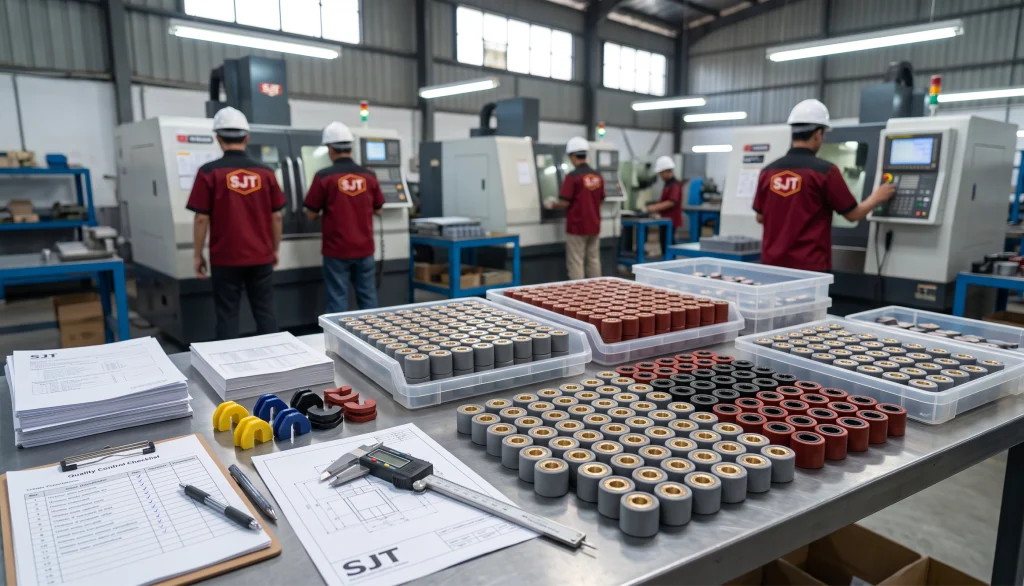
Consistency is an important consideration in Weight Roller production because this component is used in the CVT mechanism. Differences in the physical condition of products need to be controlled to help maintain uniform production results and make inspection easier.
For manufacturers, distributors, and purchasing teams, product consistency is also important when spare parts are required in certain quantities. Controlled production results can help simplify the inspection and management of spare-part requirements.
However, product consistency should not be directly interpreted as a guarantee of vehicle performance. Vehicle condition, usage, installation, and other components within the CVT system may also have an influence.
What to Consider When Choosing a Weight Roller Supplier
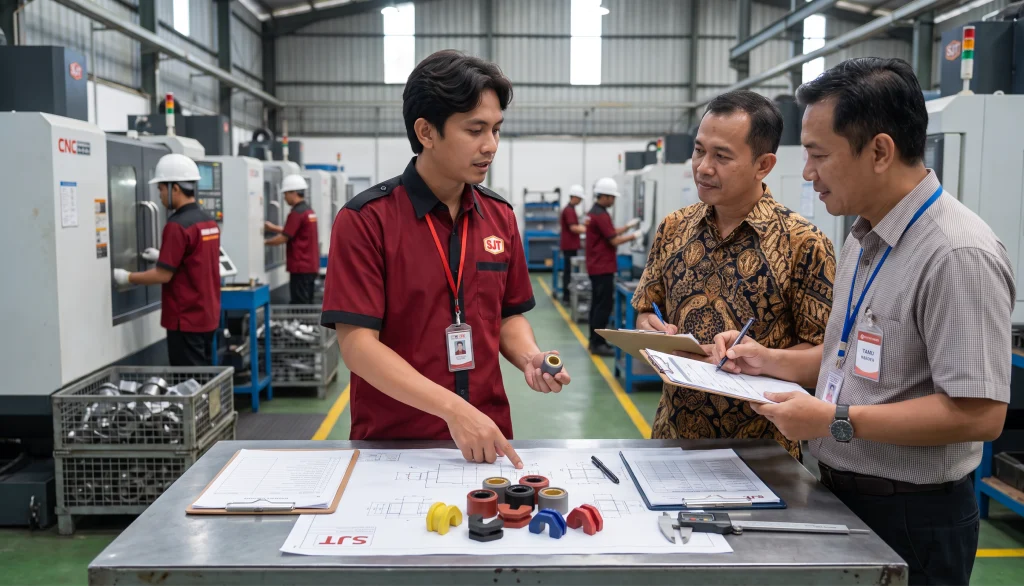
For B2B requirements, price is not the only factor that should be considered. Several aspects to evaluate include:
- Production capabilities, whether they meet business requirements.
- Product consistency, especially when products are needed on an ongoing basis.
- Quality Control, including how the inspection process is carried out.
- Product suitability, based on vehicle requirements and applications.
- Business communication, particularly regarding product requirements and cooperation.
By considering these aspects, manufacturers and purchasing teams can have a stronger basis for evaluating potential suppliers.
For spare-part manufacturers, distributors, purchasing teams, and automotive industry professionals, understanding these stages can help when evaluating production processes and selecting a supplier that meets their requirements. In addition to production capabilities, product consistency, quality control, and business communication are also important factors to consider.