
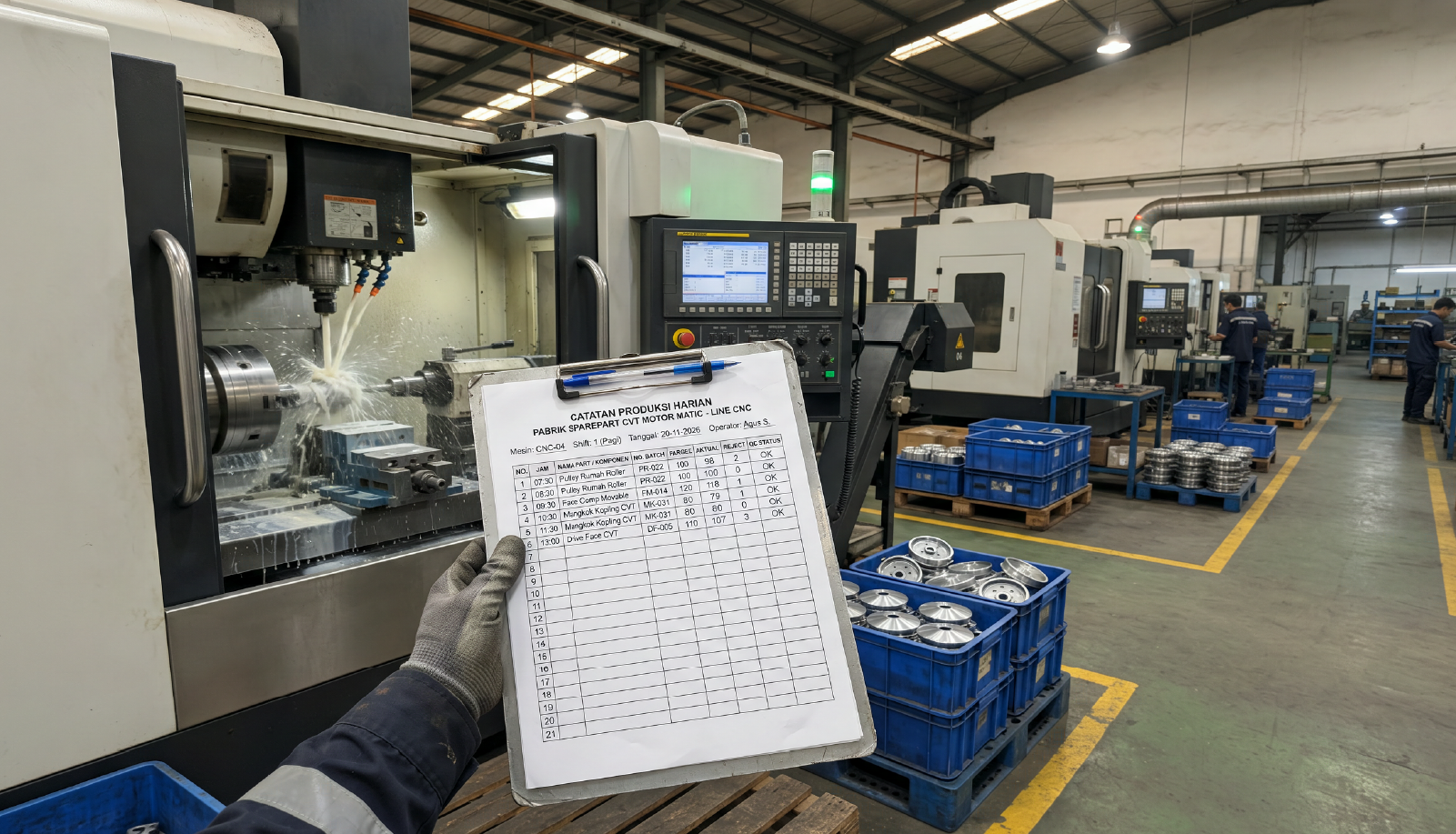
Why Is Production Information Important When Evaluating SpareParts?
When procuring automotive components, product selection decisions involve more than just the quoted price. Purchasing teams, distributors, and brand owners also need to understand the information behind the manufacturing process to assess whether a product meets their business requirements.
Spare parts production information can help potential buyers understand how components are processed, which aspects are inspected, and what supporting evidence they can request before proceeding with a business partnership. Clear information provides a more structured basis for product evaluation rather than relying solely on appearance or sales explanations.
Production Information as a Basis for Supplier Evaluation
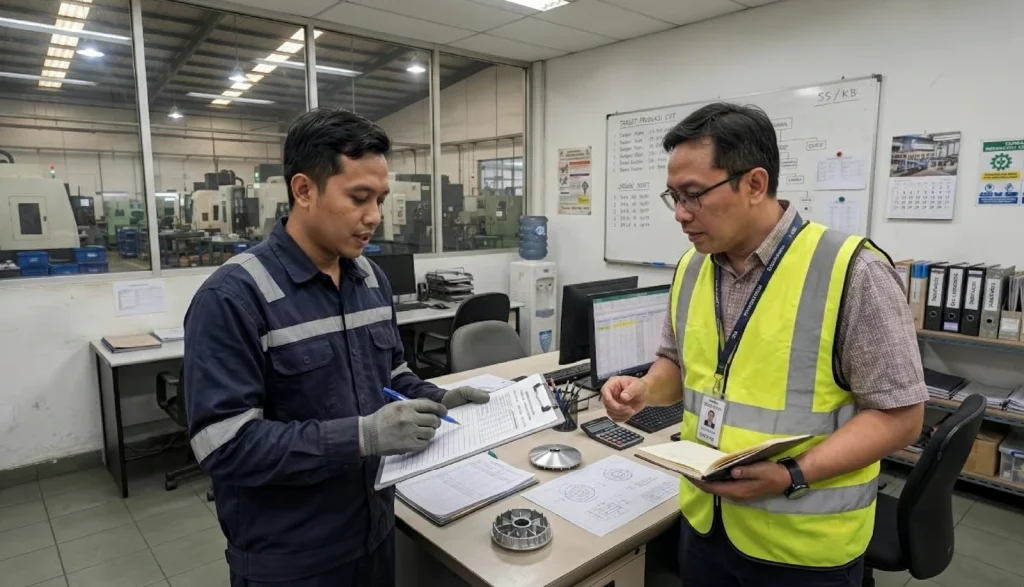
Each manufacturer may have a different manufacturing workflow depending on the type of component and the facilities used. Therefore, potential buyers need to understand the processes that are actually relevant to the products they are considering.
This information also helps buyers ask suppliers more specific questions. As a result, communication goes beyond price quotations to include product requirements and the processes related to them.
Three Types of Production Information to Consider
1. Component Processing Stages
Potential buyers can request an overview of the stages a product goes through, from preparation to the finished component. This information helps explain how components are processed according to their characteristics.
For example, manufacturing processes may involve Plastic Injection or CNC Lathe/Milling, depending on the type of component being produced. Not all products go through the same processes, so the information should be confirmed based on the specific component being evaluated.
2. How Products Are Inspected
In addition to understanding how components are manufactured, buyers need to know how the finished products are evaluated. Questions can focus on the aspects being inspected, the inspection methods used, and the available inspection documentation.
This information helps buyers assess whether the inspection process addresses their product requirements. If necessary, supporting evidence can be requested so that evaluations do not rely solely on verbal explanations.
3. Specification and Documentation Clarity
Clear product information helps reduce misunderstandings between suppliers and buyers. Component identification, agreed-upon specifications, and related documents should be checked to ensure they align with procurement requirements.
For distributors and brand owners, this clarity also supports internal communication and product recordkeeping. If certain information is unavailable, potential buyers can request clarification before making a decision.
How Does Production Information Support Procurement Decisions?
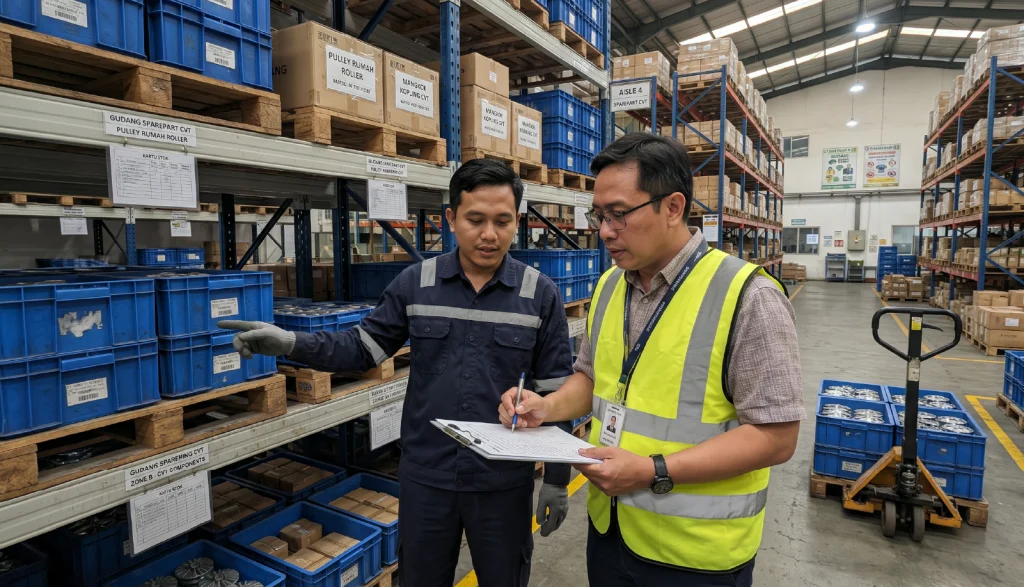
Manufacturing information can be used as part of supplier evaluations alongside other considerations, such as product compatibility, pricing, availability, and business communication.
Purchasing teams can use this information to establish evaluation criteria. Distributors can use it to understand the products they will manage, while brand owners can use it as a basis for discussions about product requirements.
However, process information alone does not automatically guarantee that the finished product will always meet requirements. Evaluations should also consider inspection evidence, compliance with specifications, and the buyer’s actual needs.
By confirming the required information from the beginning, potential buyers can make procurement decisions based on product requirements and the available supporting evidence.