
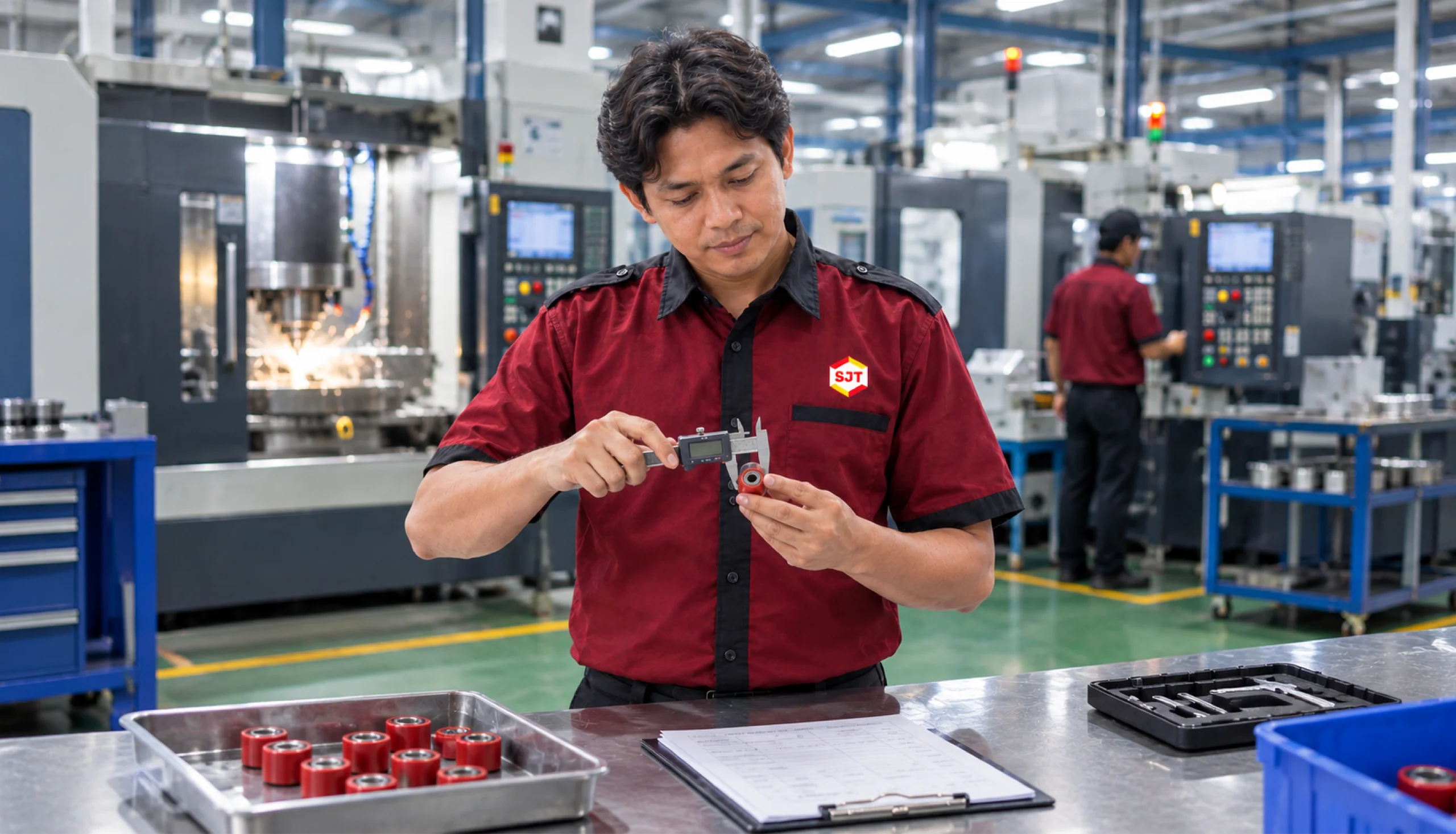
Why Is Quality Control Important Automotive Spare Part Production?
Quality Control is an important part of maintaining automotive spare-part production results in accordance with established requirements. Through inspections carried out during the production process, the condition of components can be monitored and non-conformities can be identified at an early stage.
This control process helps production teams evaluate the results of their work and maintain consistency across products. Therefore, spare-part quality control is not limited to final inspection but also supports a more structured and controlled production process.
Automotive spare parts come in various shapes and serve different functions. Therefore, production results need to be controlled to ensure that the products meet the requirements of the intended process and application.
Some reasons why quality control is important in spare-part production include:
- Maintaining product conformity with established requirements.
- Identifying product non-conformities for further evaluation.
- Monitoring production results to maintain product consistency.
- Supporting a controlled production process through regular inspections.
- Building business partners’ confidence in the consistency of production processes and results.
With proper quality control, inspections do not only serve to evaluate finished products but can also provide information about the condition of the production process.
The Role of Quality Control in the Production Process
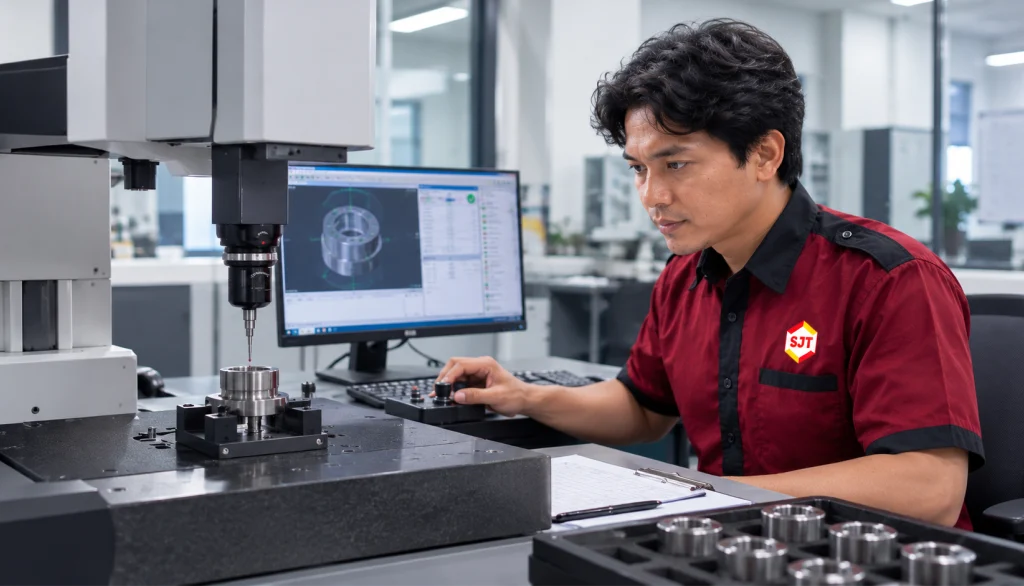
In manufacturing, spare-part quality control can be integrated into production activities. Inspections are carried out to determine whether the production results meet the applicable requirements.
Monitoring Product Condition
Inspections help assess the physical condition of components after they have gone through the production process. Depending on the product, aspects such as shape, surface condition, and other relevant physical characteristics may be examined.
Identifying Non-Conformities
When a condition does not meet the requirements, inspections can help identify the issue. This information can then be used by the relevant teams as part of the evaluation process so that subsequent production activities can be handled appropriately.
Supporting Process Control
Quality Control does not focus solely on finished products. Inspection results can also contribute to process monitoring, allowing potential non-conformities to be identified and followed up accordingly.
Maintaining Production Consistency
Spare-part production requires relatively consistent results. Therefore, quality inspections help ensure that product conditions continue to be monitored from one production process to another.
What Is Checked During Spare-Part Inspections?
Each type of spare part may have different inspection requirements. However, in general, several aspects may be considered during quality inspections, including:
- Physical condition of the component.
- Product shape and appearance.
- Conformity of the production results with the requirements.
- Surface condition, where relevant.
- Any damage or other non-conforming conditions.
- Consistency between products.
These inspections should be adjusted according to the characteristics and requirements of each product. This allows the quality control process to remain relevant rather than focusing on only one aspect.
Quality Control and Product Consistency

Consistency is an important consideration in automotive spare-part production. When products are manufactured repeatedly, their condition needs to be monitored to ensure consistency from one product to another.
In simple terms, the relationship can be illustrated as:
Process Control → Inspection → Evaluation → Consistency
Process control helps keep production activities on track. Inspection provides information about product conditions, while evaluation can be used to determine the appropriate follow-up action when non-conformities are identified.
With this approach, quality is not assessed solely based on finished products but also on how effectively the production process is controlled.
Quality Control for Manufacturers, Purchasing Teams, and Distributors
For QA/QC and production teams, quality inspections are part of the activities used to monitor production results. For spare-part manufacturers, quality control can support product consistency throughout the manufacturing process.
From the perspective of purchasing/procurement teams and distributors, quality can also be an important consideration when evaluating suppliers. In addition to price and the ability to meet requirements, how a supplier controls its processes and maintains product consistency should also be taken into account.
This shows that Quality Control is not only related to activities on the production floor but is also connected to business requirements and long-term partnerships.